
From strategy to execution: lessons from ESBP module II
Module II of the European Sports Business Program focused on one of the greatest challenges in sport: translating strategy into everyday execution.

From strategy to execution
The second module of the European Sports Business Program (ESBP) brought together professionals from across the sports ecosystem - clubs, federations, leagues, rights holders, academia, and commercial partners - for three intensive days focused on one of the most critical challenges in sport: turning strategy into execution.
Led by Professor Martin Carlsson Wall, the module explored how organizations can bridge the gap between ambitious visions and daily operations. While strategy often receives significant attention in boardrooms and annual reports, the recurring theme throughout the module was clear: a strategy only creates value when it is translated into actions, behaviors and decisions throughout the organization.
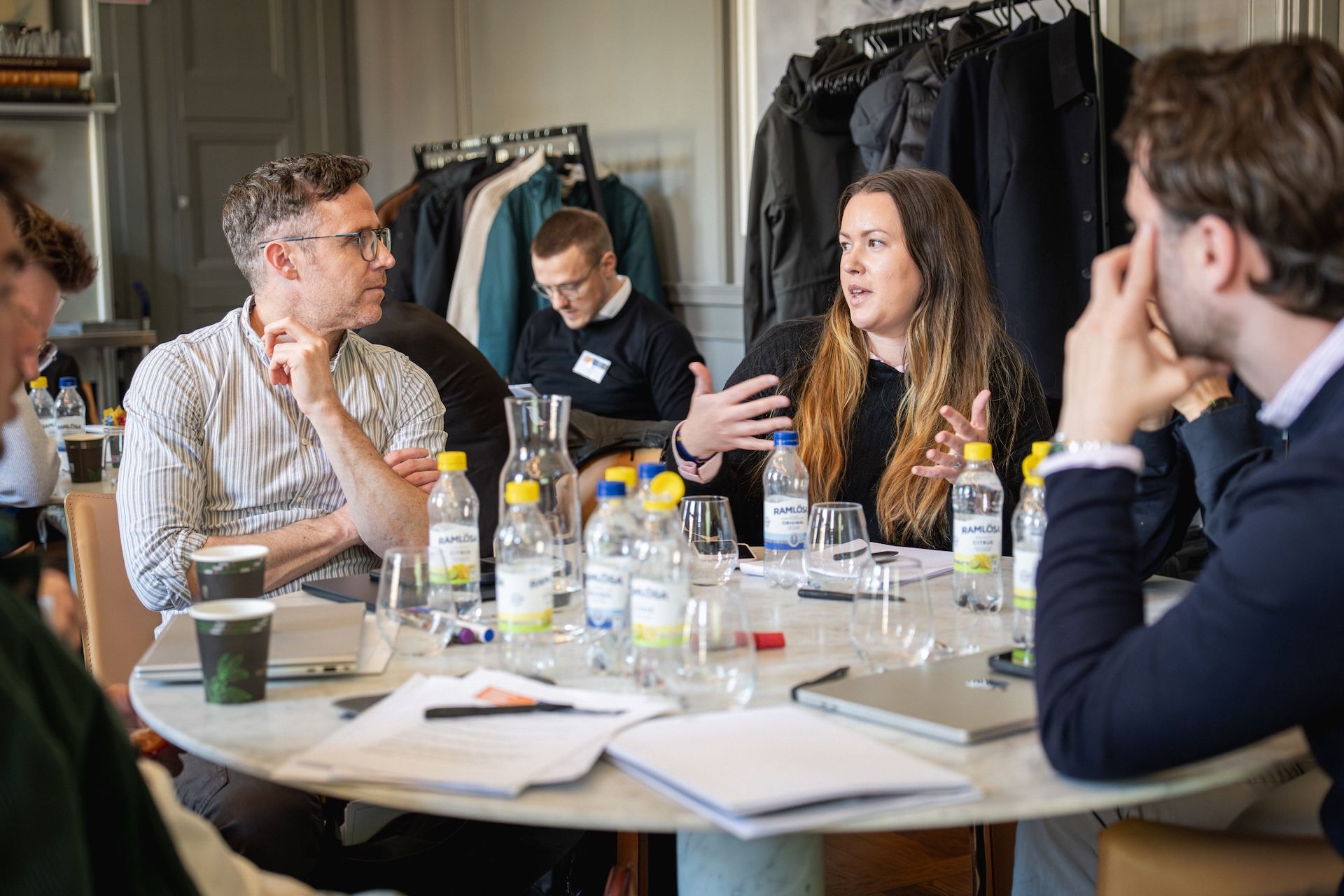
Strategy must live beyond the mission statement
One of Professor Carlsson Wall's central messages was that strategy cannot remain a document that is revisited once a year. For organizations to succeed, strategic objectives must be operationalized and embedded into everyday activities across all levels of the business.
This requires clear priorities, measurable goals, and systems that connect long-term ambitions with daily execution. Participants explored how storytelling can play a crucial role in this process - not merely as a communication tool, but as a mechanism for setting direction, creating alignment, and driving organizational change.
The discussions also highlighted the importance of balancing exploration and exploitation. Sports organizations must continuously develop new opportunities while simultaneously delivering value through existing operations. Finding this balance is particularly important in a rapidly evolving sports industry where innovation and commercial sustainability must coexist.
Another key topic was the role of financial management in strategic decision-making. Carlsson Wall emphasized that financial statements should not be viewed simply as historical reporting tools. Instead, they should help guide an organization's risk appetite and support informed decisions about investments, growth opportunities, and resource allocation.
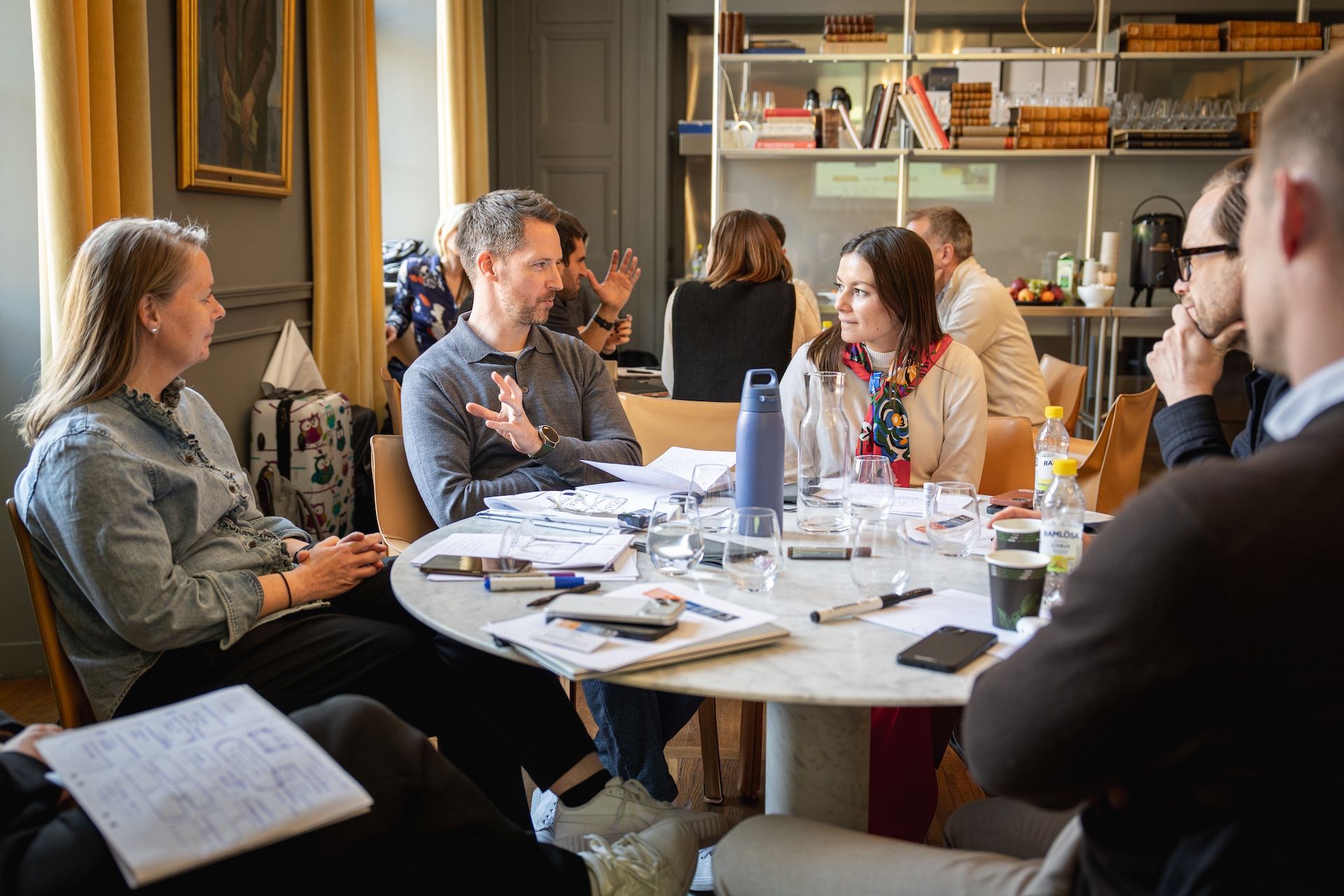
Making strategy measurable
A practical framework explored during the module was the Balanced Scorecard, which helps organizations connect strategy with execution through a holistic performance management system.
Rather than focusing exclusively on financial performance, the Balanced Scorecard encourages leaders to consider four interconnected perspectives: financial outcomes, customer and member value, internal processes, and learning and growth.
The framework demonstrates that success is rarely driven by financial metrics alone. Organizations must also monitor factors such as employee development, operational effectiveness, stakeholder engagement, and cultural alignment. Importantly, participants discussed how key performance indicators do not always need to be numerical. Measures such as pride, engagement, trust, and shared purpose can be equally important indicators of organizational health and long-term success.
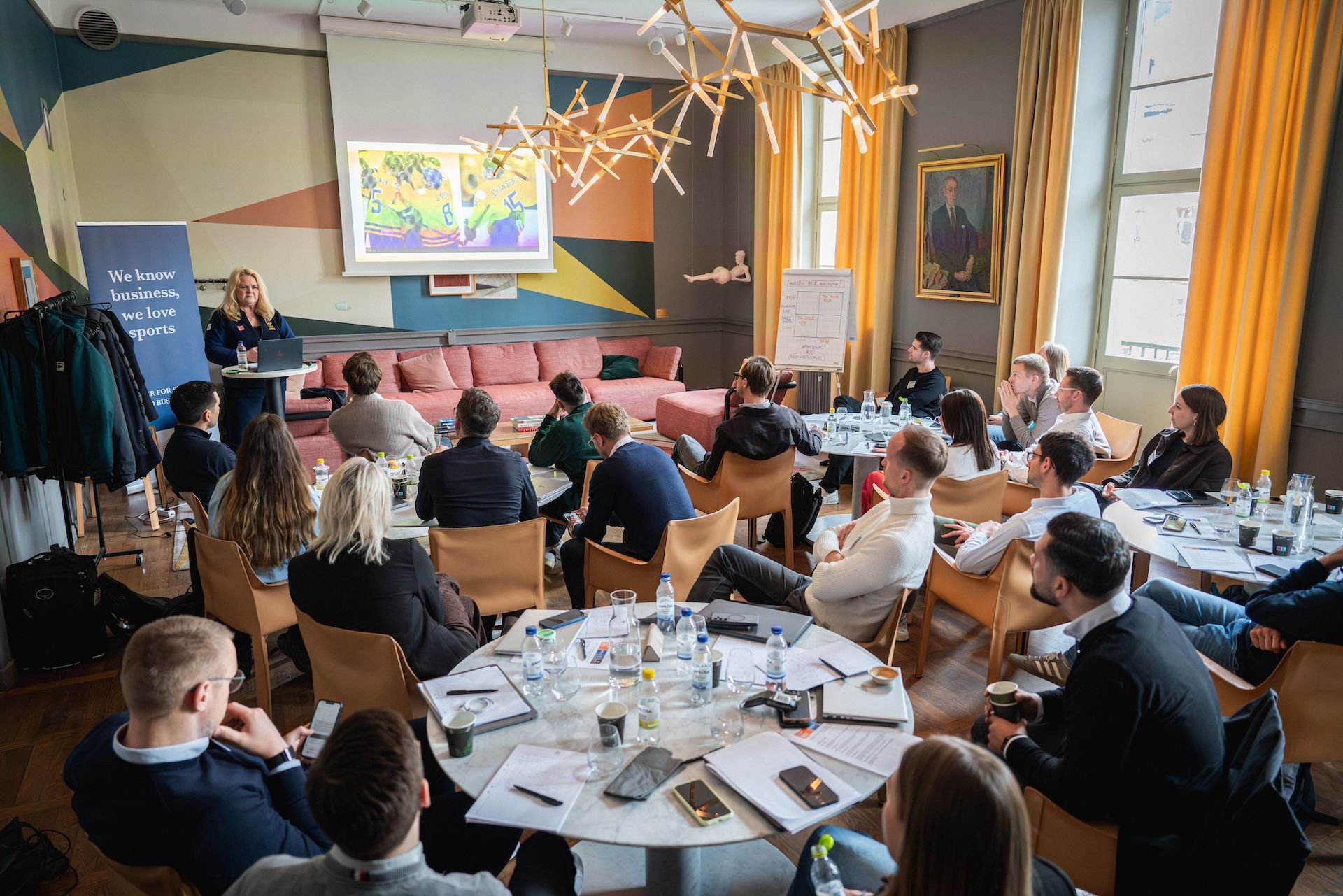
Leading cultural change: lessons from SVT
One of the module's most inspiring sessions was delivered by Åsa Edlund Jönsson, who shared her experience leading a major transformation in sports media coverage during her time at Swedish Television (SVT).
SVT made the strategic decision to pursue equal sports coverage between women's and men's sports, targeting a 50/50 distribution. The initiative initially faced significant resistance, particularly from employees who questioned both the feasibility and desirability of the change.
Rather than abandoning the objective in the face of opposition, leadership remained committed to the vision. Through clear goal setting, continuous measurement, regular evaluation, and persistent communication, the organization gradually shifted both behaviors and culture.
The results demonstrated the value of staying committed to a strategic direction. Not only was the objective achieved, but the increased visibility of women's sports also contributed to higher viewership and stronger audience engagement.
Perhaps the most important lesson from the session was that meaningful change requires deliberate leadership. Organizational culture rarely changes by itself - it changes when leaders consistently reinforce desired behaviors and remain committed to long-term objectives.
The private equity perspective
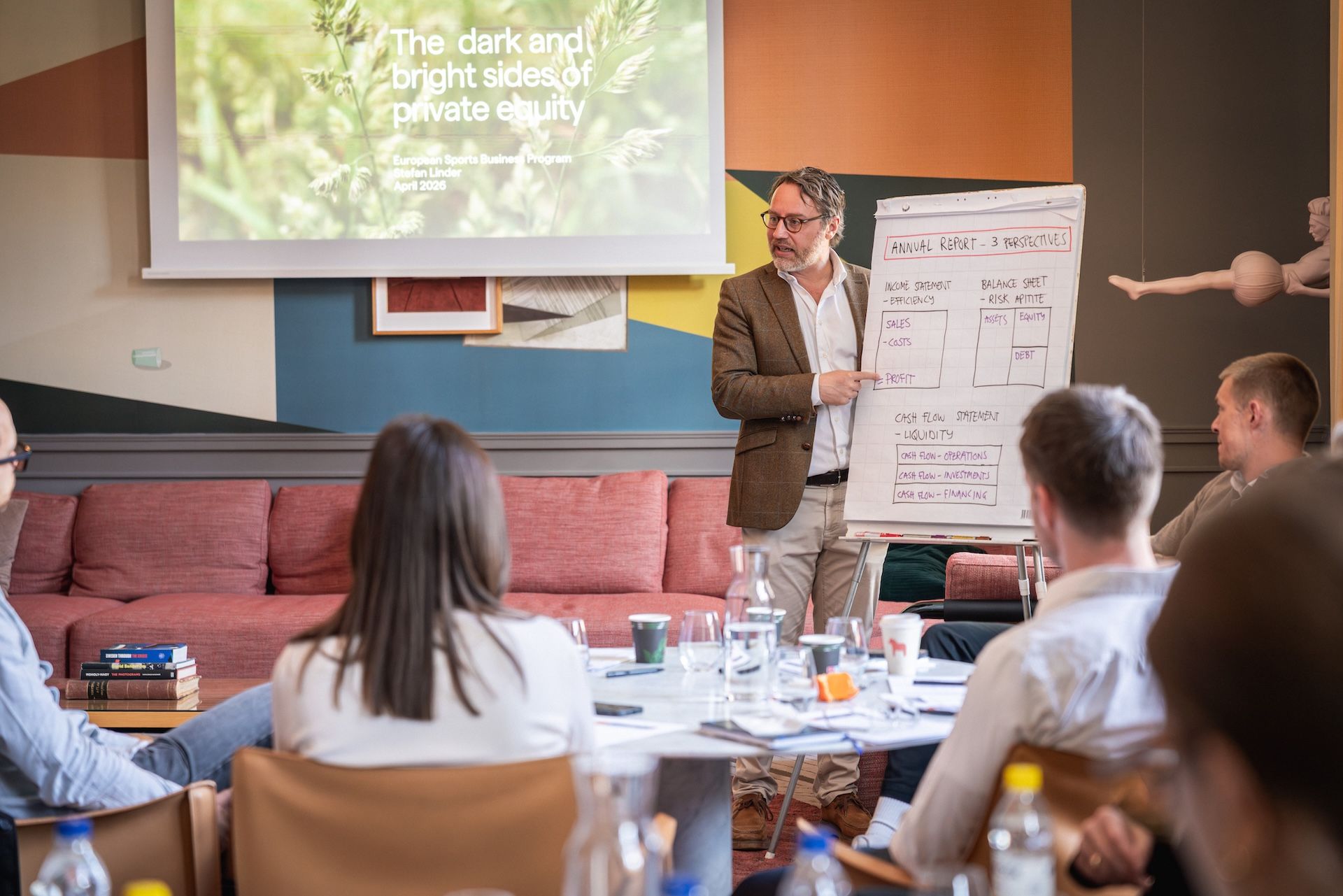
Stefan Linder provided participants with insights into the growing role of private equity in sport and how investors evaluate opportunities within the industry.
A central theme of his presentation was operational efficiency. While growth often captures attention, sustainable value creation frequently comes from improving how organizations operate. This includes identifying inefficiencies, optimizing processes, and making smarter decisions about cost structures.
Importantly, cost reduction should not be viewed simply as cutting expenses. Effective leaders focus on reducing unnecessary costs while preserving and strengthening the capabilities that create competitive advantage. In this way, efficiency becomes a strategic tool rather than a purely financial exercise.
As private investment continues to increase across global sport, understanding how investors assess performance, scalability, and operational effectiveness is becoming increasingly relevant for sports executives.
Culture as a competitive advantage
The module concluded with powerful reflections on leadership and organizational culture. While strategies, structures, and processes can often be replicated, culture remains one of the few sustainable sources of competitive advantage.
Building a strong culture requires more than inspirational statements. It demands consistent leadership, clear expectations, and a shared understanding of purpose. Ultimately, successful execution depends on the people responsible for bringing strategy to life every day.
Looking Ahead
The three days offered valuable perspectives on strategy, execution, finance, change management, and leadership. More importantly, they reinforced a simple but powerful idea: success in sport is rarely determined by strategy alone. It is determined by an organization's ability to translate strategic ambition into consistent action.
As the European Sports Business Program continued with Module III in Paris, the focus shifted toward leadership - a fitting next step in understanding how organizations can inspire people, shape culture, and execute strategy effectively in an increasingly complex sports landscape. A sincere thank you to Professor Martin Carlsson Wall, guest speakers Stefan Linder, Åsa Edlund Jönsson, and Katarina Berg, as well as all participants and partners, for contributing their expertise, perspectives, and engagement throughout the module.


