The History of SSE

Founded in 1909 by pioneers of Swedish industry and commerce, the Stockholm School of Economics was created to meet the demands of a rapidly changing world. By combining academic scholarship with hands-on experience, the School set out to educate a new generation capable of shaping business, society, and economic progress.
The decades around the turn of the twentieth century were years of rapid industrial expansion in Sweden, and prominent business leaders believed the country needed a new kind of education. This led to the founding of the Stockholm School of Economics Association, an organization created to turn the vision of a Swedish business school into reality. Three years later, with support from the City of Stockholm, government funding, and private donations, SSE opened its doors for the first time. The School admitted 110 students, and the initial two-year curriculum covered economics, commerce, political science, and law.
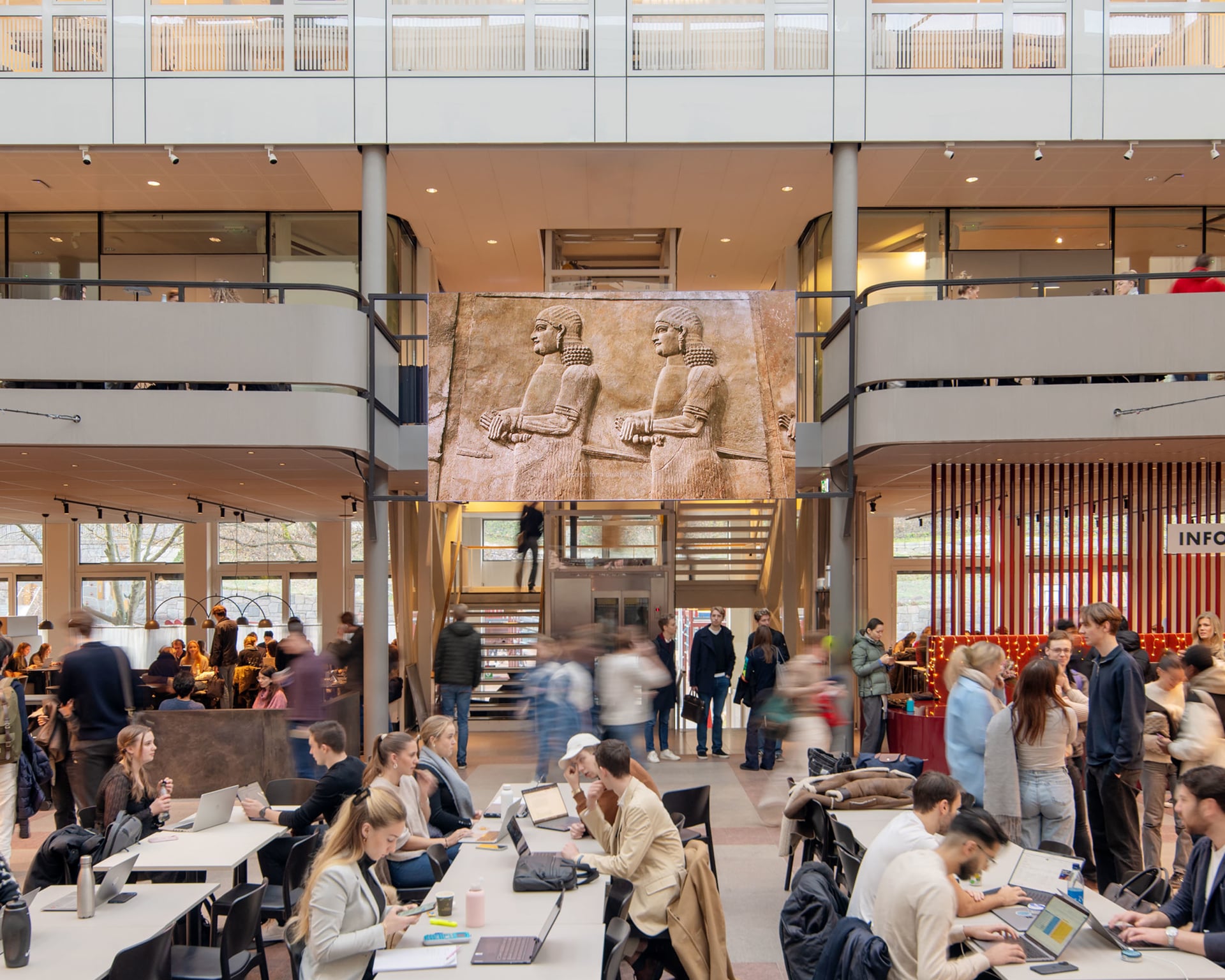
What began as a bold initiative by leading Swedish industrialists and financiers has grown into one of Europe’s leading business schools – a place where curiosity, critical thinking, and entrepreneurship meet real-world impact. The idea that education should develop in close connection with business and society continues to shape everything from research and teaching to partnerships, innovation, and international collaboration. Today, students at SSE join a highly international community, with classmates, faculty, and opportunities spanning continents and industries.
The SSE campus: Sveavägen 65 and beyond
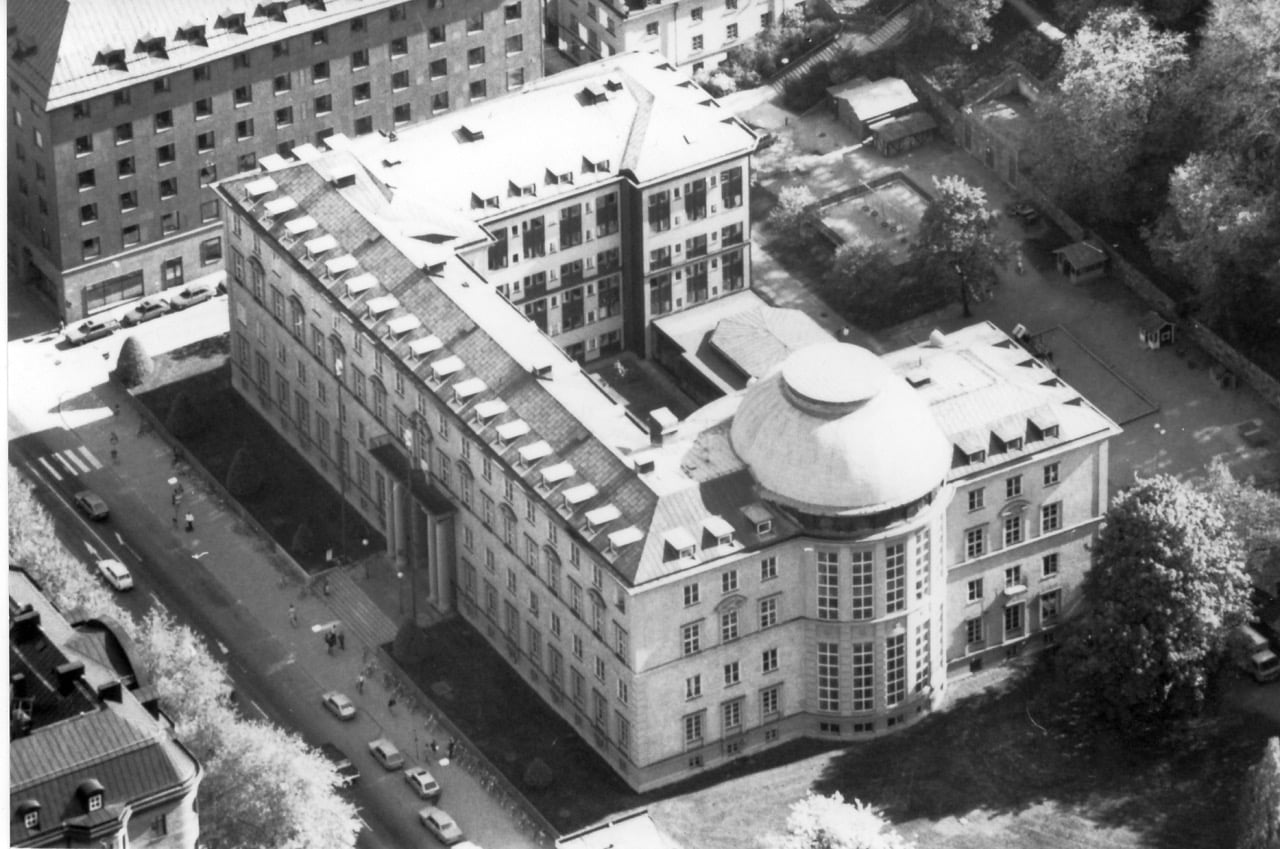
SSE quickly outgrew its first classrooms at Brunkebergstorg, leading the School to commission Swedish architect Ivar Tengbom to design new facilities. In 1926, the School inaugurated a new campus at Sveavägen 65 – still the address of SSE’s main building today. Generous donations over the years have enabled SSE to expand Tengbom’s original design, and newer buildings now flank the original structure. Several additional premises are also located nearby, including the building formerly known as Studentpalatset at Norrtullsgatan 2, which became part of the campus in 2022. Today, the building is known as the House of Innovation and houses internationally recognized innovation researchers as well as SSE Business Lab, the School’s startup incubator.
The programs: From civilekonom to international education
The first 110 students graduated from SSE in 1911, and in 1912 Märta Sigrid Löfdahl became the School’s first female graduate. In 1939, the program expanded to three years, allowing SSE graduates to use the title civilekonom. The School continued to evolve alongside society and international academia: a four-year civilekonomexamen was introduced in 1993, followed by the Bologna-inspired bachelor and master structure in 2007. Today, SSE offers internationally recognized bachelor, master, PhD, and executive education programs.
Alongside the continuous development of existing and new programs, SSE’s international ambitions have led the School to join several academic alliances and gain internationally recognized accreditations, including PIM, CEMS, APSIA, CIVICA, and GNAM, as well as EQUIS accreditation for excellence in management education.
The community: Initiatives, partnerships, and outreach
SSE’s close connection to business and society has shaped the School since its founding. The Corporate Partnership Program, launched in 1994, strengthened ties with leading companies, while international collaborations connect students and faculty across continents. Entrepreneurship and innovation have also become central parts of the student experience through SSE Business Lab, the School’s startup incubator. Since 2001, SSE Business Lab has supported more than 350 companies – including Klarna, Budbee, Legora, and Voi – and is now ranked among the top 10 startup hubs in Europe.
Beyond academics, SSE has also developed initiatives that enrich student life and support the School’s educational mission. Through the Art Initiative, Sport Initiative, and Tech Initiative, students engage with contemporary art, inspirational speakers, physical activities, technology workshops, and discussions with thought leaders and entrepreneurs, creating a learning environment that extends beyond the classroom.