PhD Defense | Jennie Lorisson successfully defends her doctoral dissertation
On Friday Aug. 21, 2026, Jennie Lorisson successfully defended her doctoral dissertation, “Organizing art and business activities: Balancing boundaries of individual and shared engagements.” The defense took place in the Lecture Hall at the House of Innovation, Stockholm School of Economics.

Professor Mattias Nordqvist, Stockholm School of Economics, chaired the defense. Professor Olav Velthuis of the University of Amsterdam, the Netherlands, served as faculty opponent.
When summarizing the dissertation, Professor Velthuis described it as very ambitious, and complimented the impressive amount of fieldwork underpinning it. He highlighted the breadth of Lorisson’s reading across disciplines and the detailed understanding the thesis provides of boundaries between art and business.
What the dissertation is about
Art and business are often treated as separate worlds, and when they meet in business settings, the focus is usually on what art can do for business. Jennie Lorisson's dissertation turns that question around and asks what business and organizing can do for art and artists.
The thesis examines two ends of an art engagement. Professional visual artists often need to be business owners to get paid, run projects, and build relationships that support their artistic practice. For business families, meanwhile, a personal interest in art collecting can develop into a wider family engagement and eventually a foundation, museum, or other art-related organization.
While the two settings differ in intentions and resources, both involve learning to organize a domain where “belonging is not a given.” Artists organize business for the sake of their artistic practice, while business families organize art, initially for personal reasons of art collecting and later potentially for the family and its wider activities. Both involve managing, creating, adapting to or challenging multiple boundaries that separate and connect art, business, people, and organizing activities.
Research approach
The dissertation consists of three qualitative studies based on 74 interviews with 70 participants across the Nordics. The first study includes 23 professional visual artists and eight stakeholders working directly or indirectly with artists in their professional roles. The second and third studies draw on 43 interviews with 39 participants from 13 art-collecting business families (31 business family members) and related art professionals (8) in Sweden, Norway, Finland, and Denmark.
Key findings
In an increasingly professionalized and market-oriented art sector, artists organize and perform boundary work related to art and business as inherently different domains, while also becoming intertwined in the everyday work of sustaining and developing the professional artistry. Business activities such as administration and project planning can support the development of the artistry depending on artists' ways of engaging individually and through collaborations. For those artists who may not wish nor manage to run a business, it may challenge the opportunities for exhibiting their art.
Art collecting can build an “interest-based legacy.” The second paper, co-authored with Camille Korschun and Mattias Nordqvist, shows how art collecting in business families can develop from personal curiosity into a legacy shared across generations. This process may begin unintentionally before becoming more deliberate as families consider the future of their art engagement.
Art can create new organizations and roles for the next generation business family members. The third paper, co-authored with Camille Korschun, shows how art engagements can be passed on and co-created or reshaped by younger family members. Art-related organizations can give the next generation opportunities to develop new roles and capabilities and may facilitate entrepreneurship across generations, widening the outreach of the family business ecosystem of engagements.
Taken together, the studies show that when art and business meet through organizing both, it is more nuanced and complex than assumed by usual logics of market-oriented sales (for artists) or art as investment (for business families) due to the combination of individual and shared engagements to develop artistry and new art-related organizations forward.
Art and business remain distinct but become intertwined in practices and processes of organizing.
Practical implications
The findings have implications for both cultural policy and management. For artists, the research highlights how artistic careers depend not only on managing the practical demands of running a business but also on how professional artistry includes boundary work for both art and business in relationships with galleries, curators, public institutions, collectors, and other actors. It also points to the importance of scholarships and grants alongside business income.
For business families, the research shows how an art engagement that starts as a personal interest can develop over decades, involve new generations, and eventually reach a wider public through new art-related organizations.
Understanding this process can help families think about how private art interests are organized and carried forward across generations for possible societal impact.
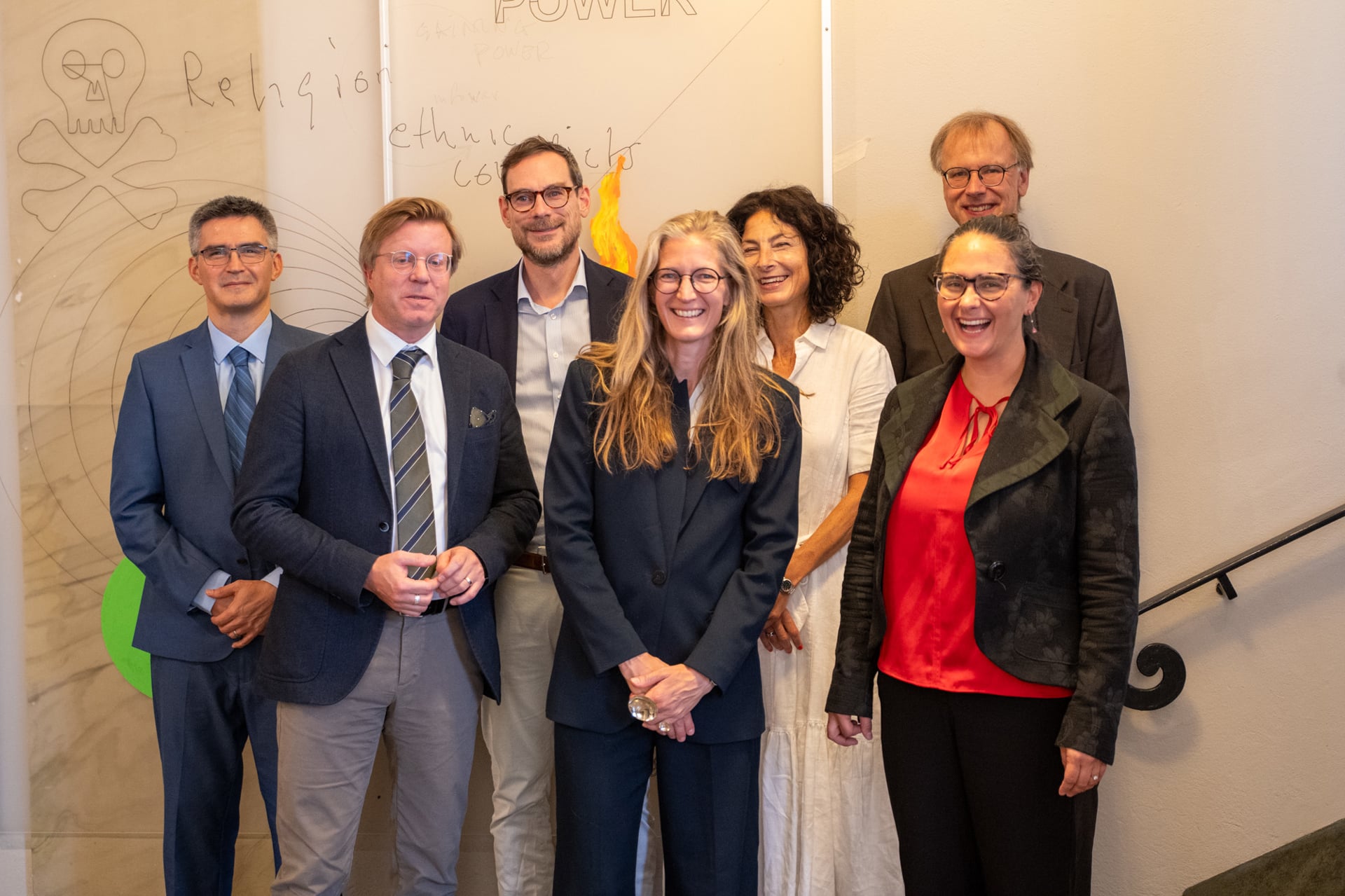
Assessment committee
Chair of the defense: Professor Mattias Nordqvist, Stockholm School of Economics, Sweden
Faculty opponent: Professor Olav Velthuis, University of Amsterdam, the Netherlands
Assessment committee:
- Professor Elena Raviola, University of Gothenburg, Sweden
- Senior Lecturer Allan Discua Cruz, Lancaster University, the United Kingdom
- Associate Professor Anna Essén, Stockholm School of Economics, Sweden
Supervisors: Mattias Nordqvist, SEB Professor of Entrepreneurship and Family Business, and Professor Stefan Haefliger, Professor of Digital Innovation and Strategy, both at the Stockholm School of Economics.
Jennie Lorisson is a researcher at the Center for Family Enterprise and the House of Innovation at the Stockholm School of Economics. Her research explores organizing, boundaries, and boundary work at the intersection of art and business for visual artists and art-engaged business families.
Link to the full dissertation in the SSE research portal.
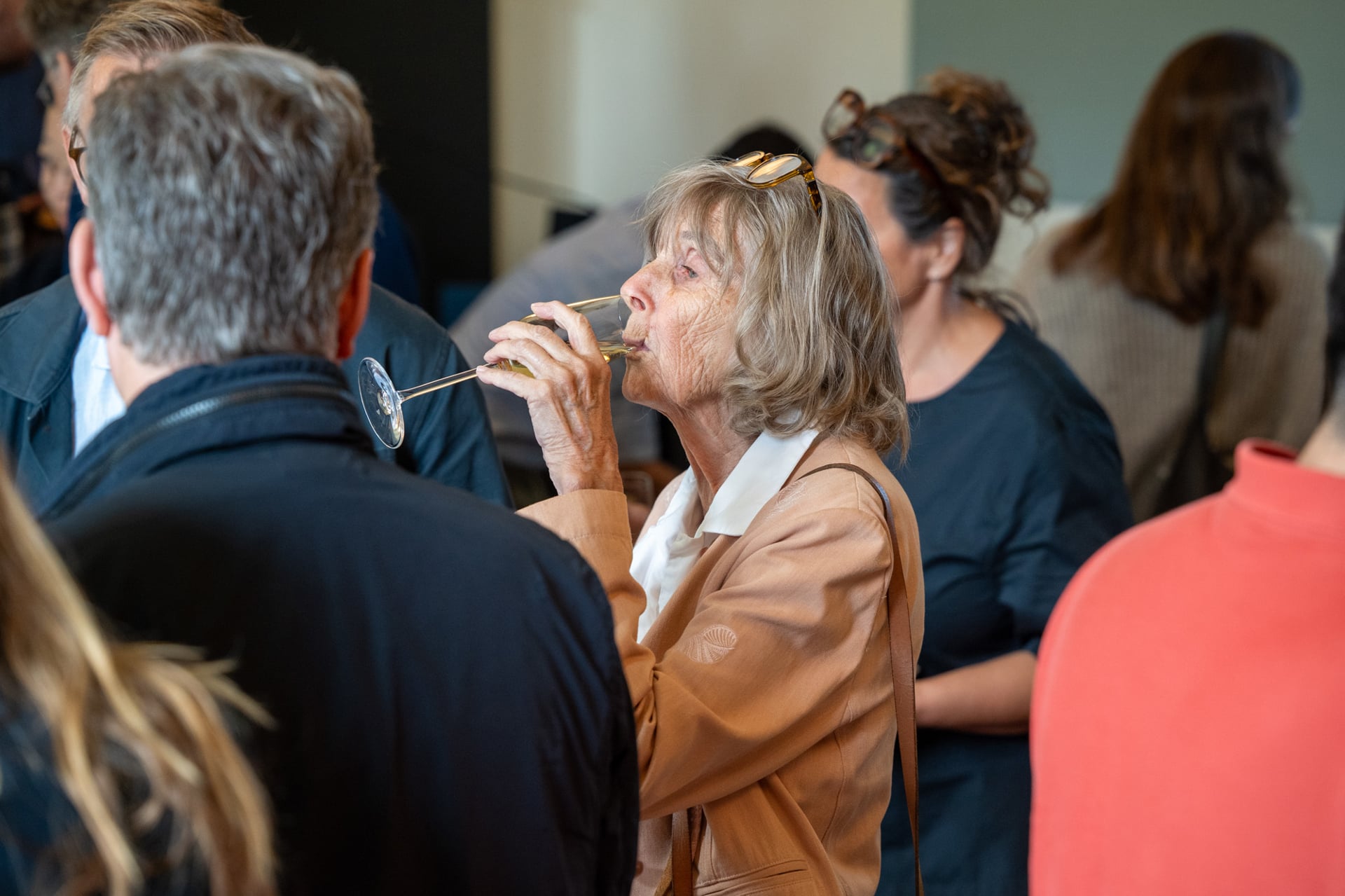
Celebratory mingle
After the defense, the assessment committee excused themselves to deliberate. They soon returned to announce that Jennie had successfully defended her dissertation.
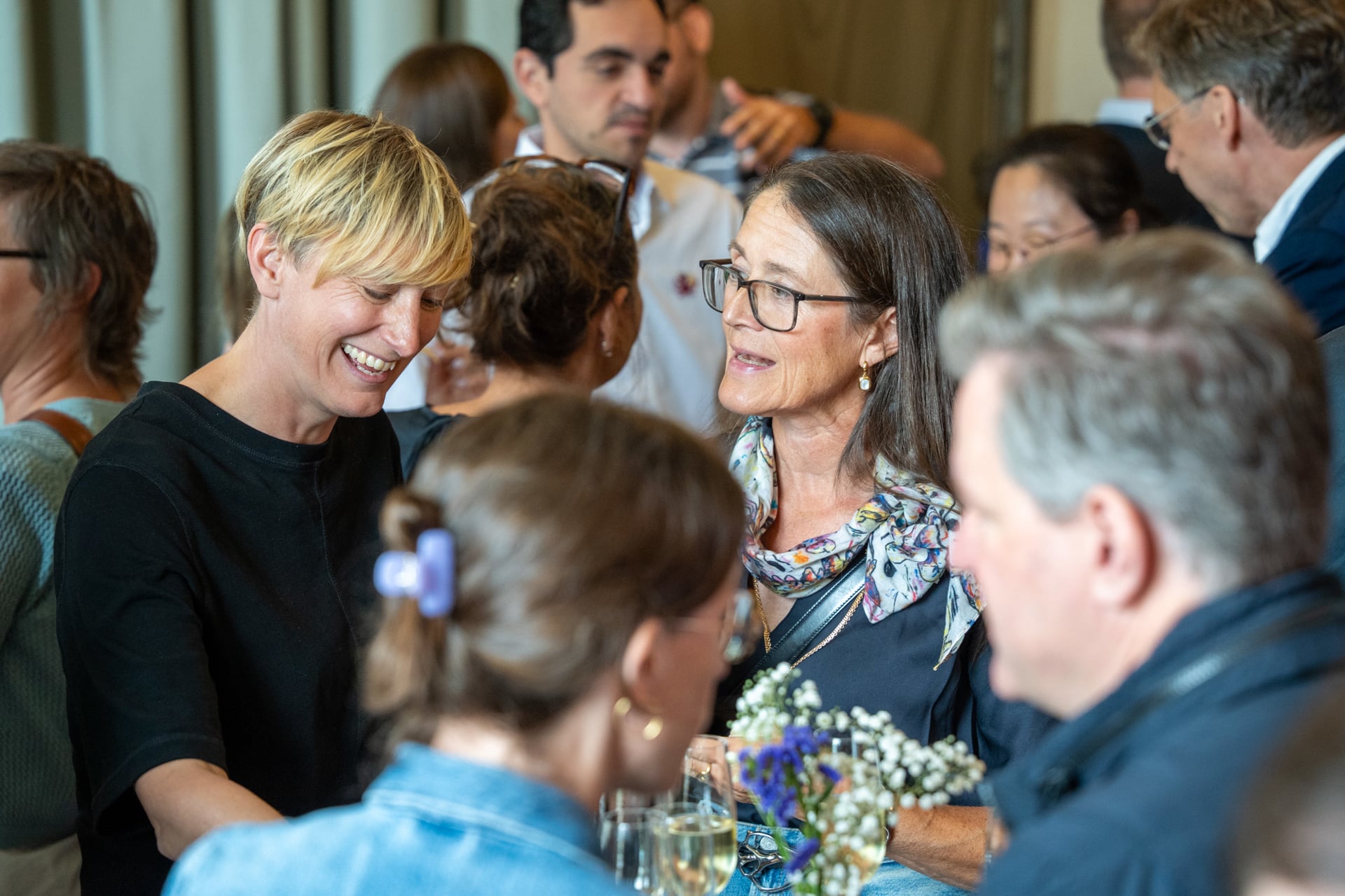
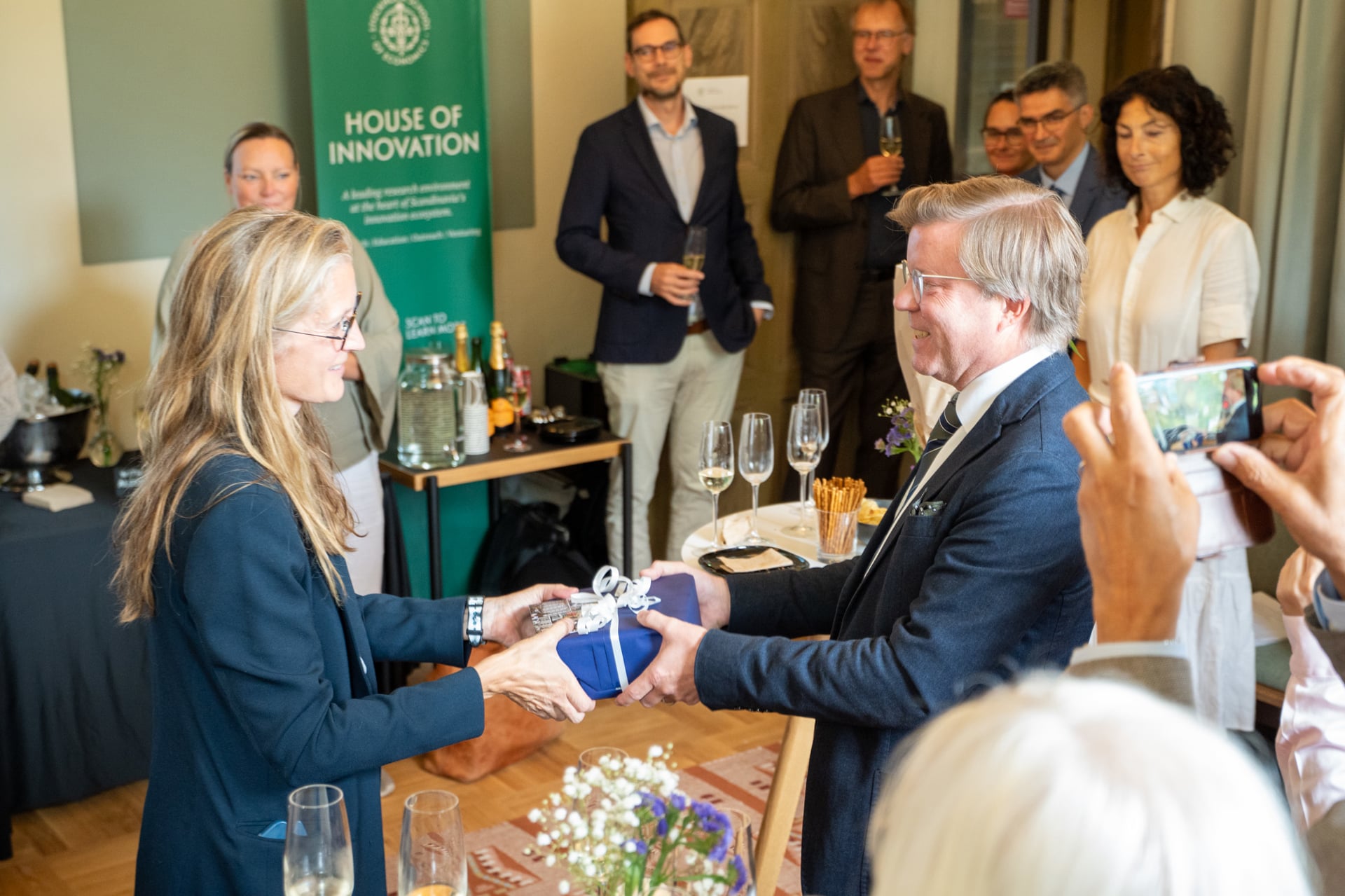
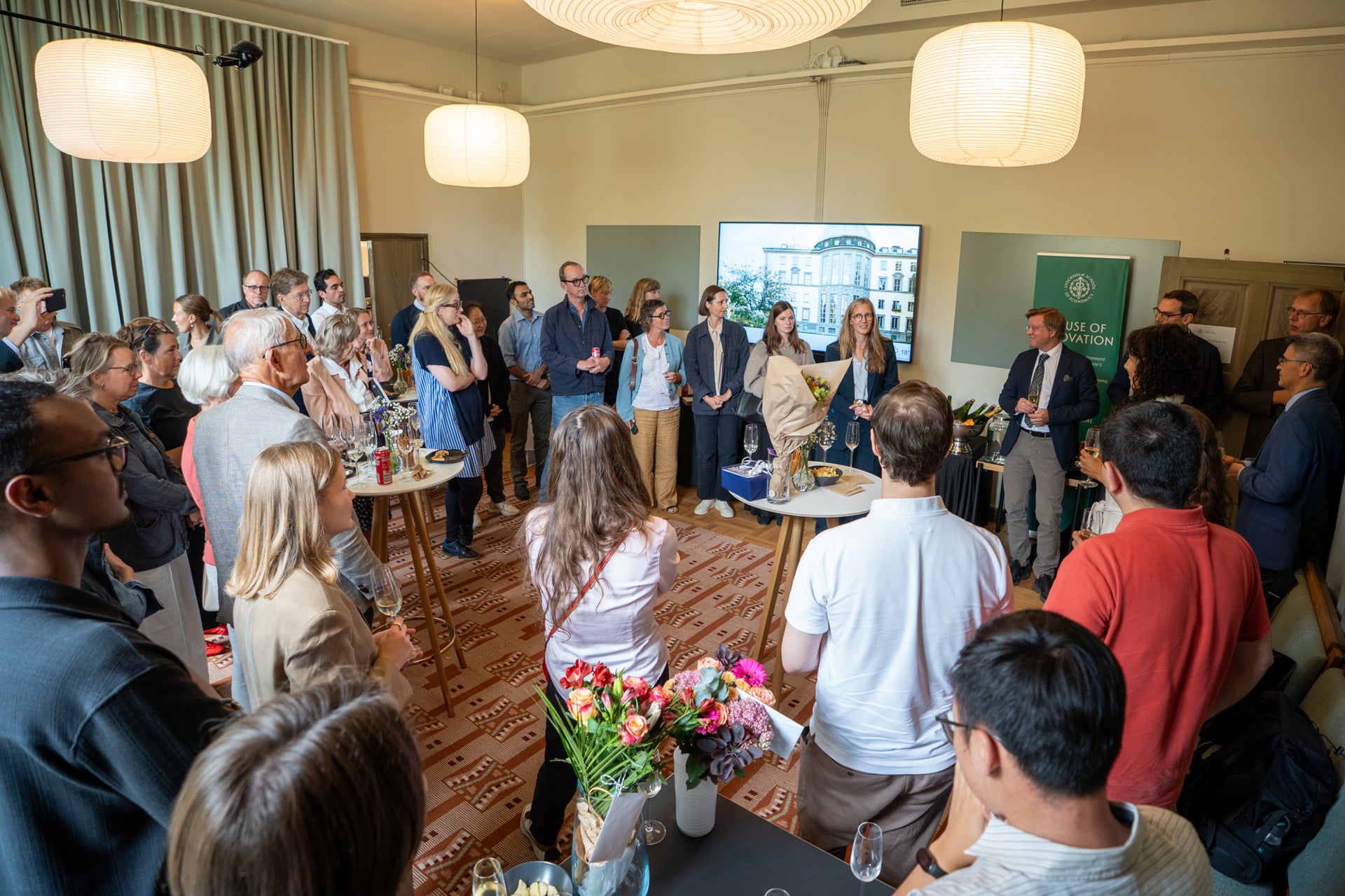
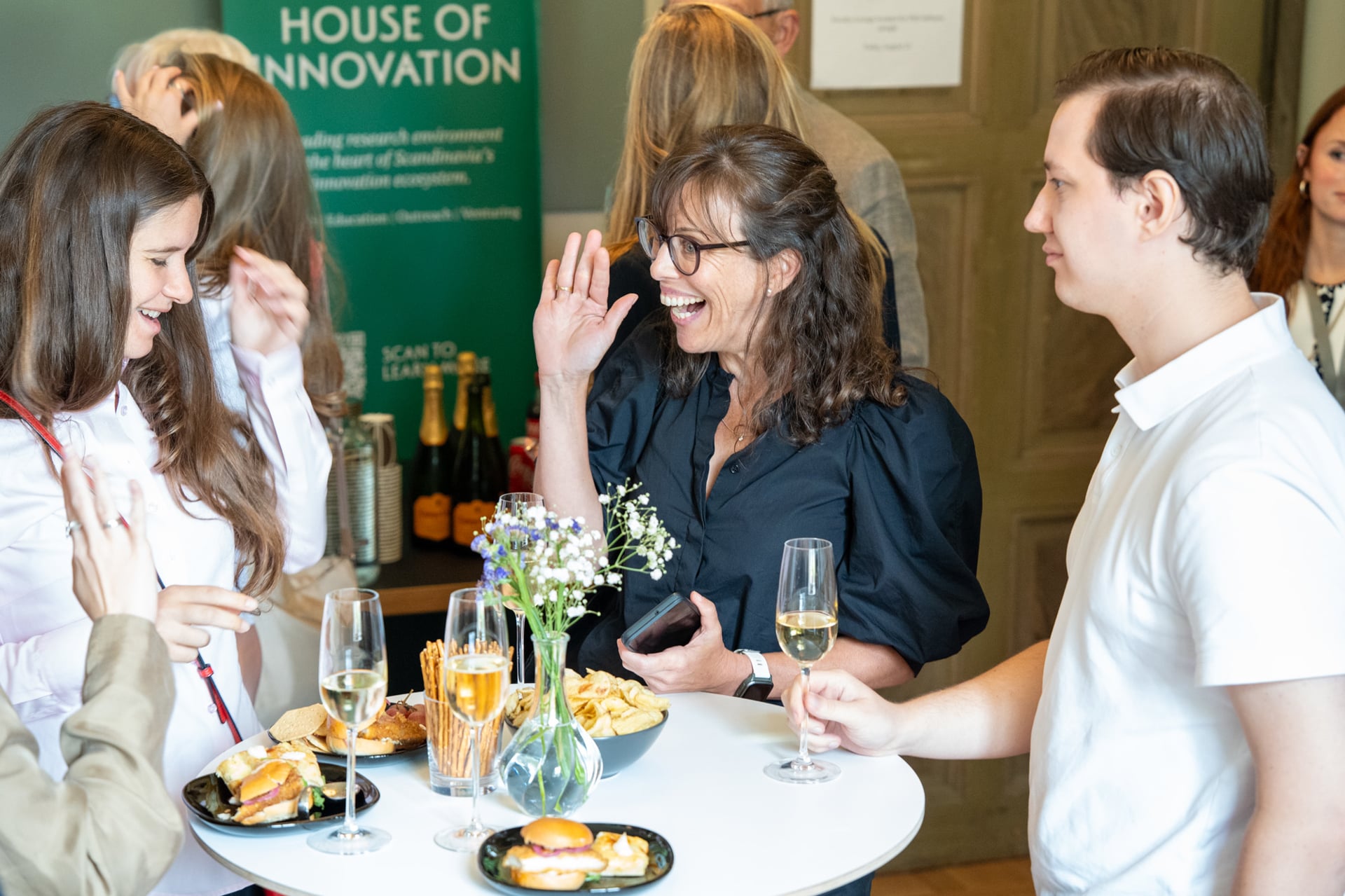
The celebration then took place in the Faculty Lounge at the House of Innovation, where nearly 60 guests and colleagues toasted to Jennie’s achievement.
On behalf of everyone at SSE and the House of Innovation, congratulations, Jennie!