
Roberto Verganti: Design needs meaning, not just more ideas
At Nationalmuseum on Oct. 22, 2026, Professor Roberto Verganti explored why design needs more than a steady supply of new ideas. In conversation with Gustaf Kjellin, he discussed meaning, human judgment, artificial intelligence, and the role of art in shaping how people experience the world.

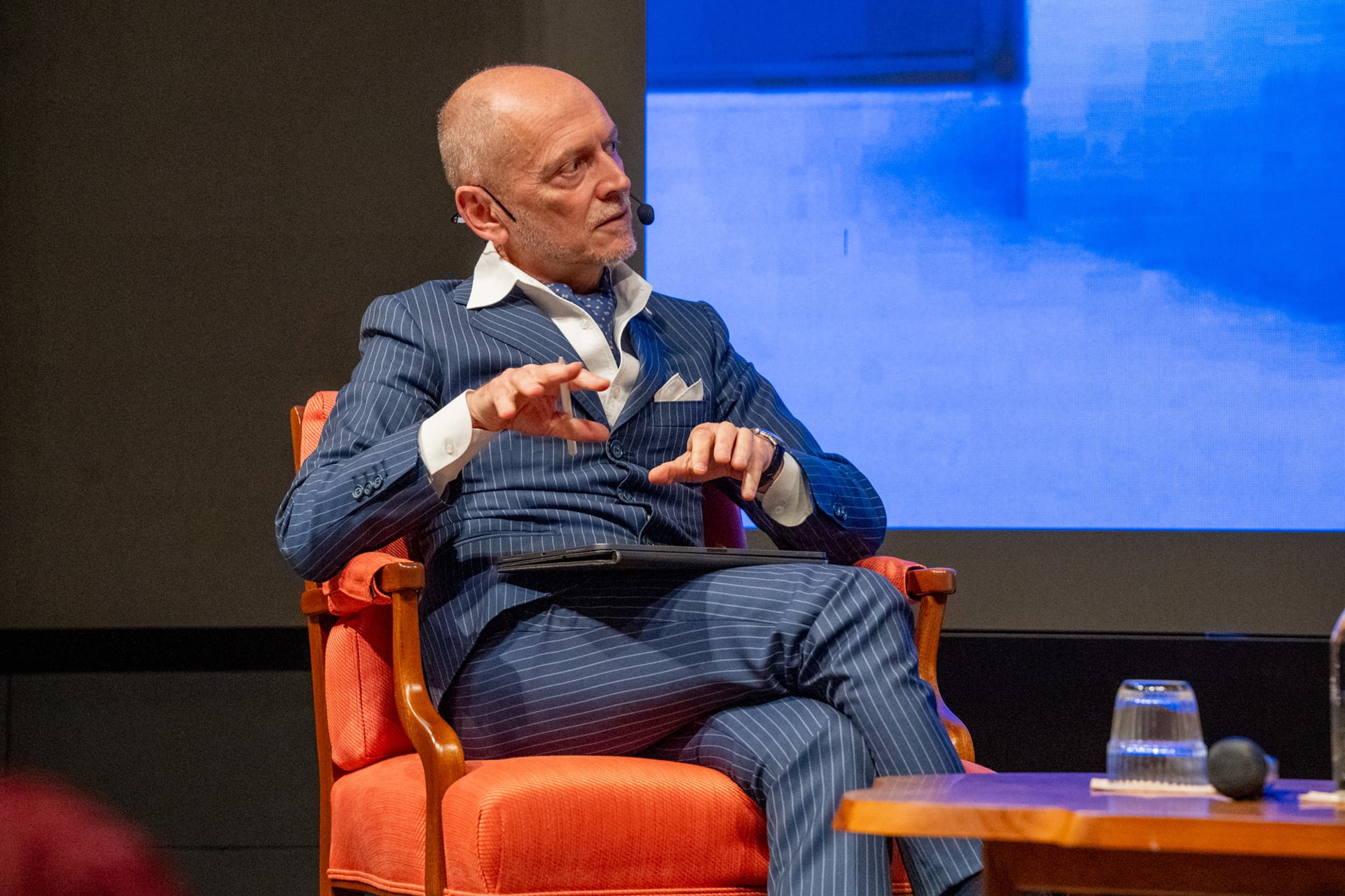
Gustaf Kjellin, design curator and editor-in-chief of Form, and Roberto Verganti, Professor and Director of the Center for Art and Innovation at SSE, discussed how design, objects and experiences become significant in people’s lives.
The event was part of Nationalmuseum’s autumn series on design and positive societal development.
More than appearance or performance
Roberto distinguished between approaches to design centered on beauty, functionality, and meaning. Looking good or working efficiently does not fully explain why people grow attached to something. An object can matter because of the memories, relationships, and ways of living it carries.
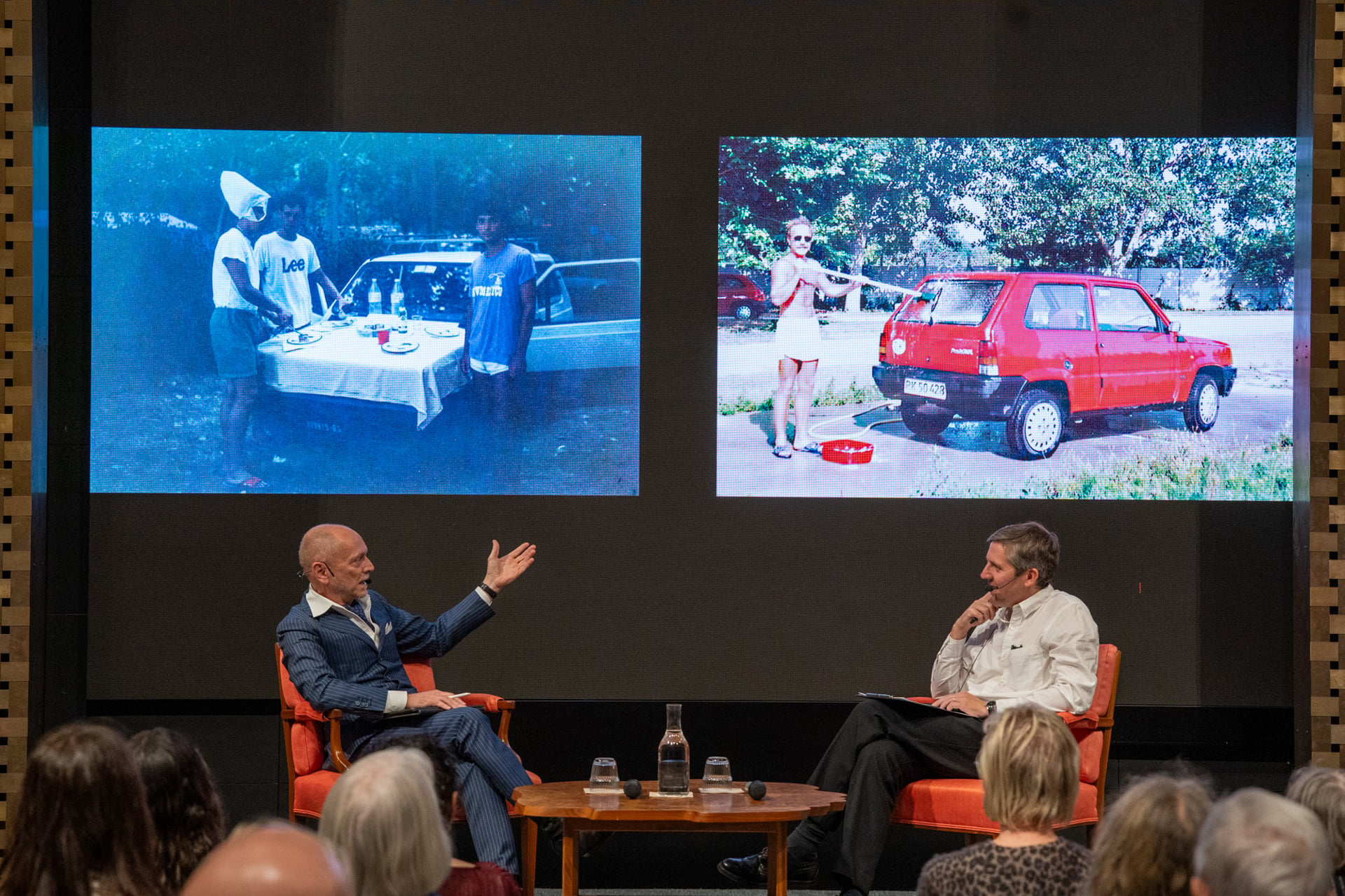
He illustrated this through stories about cars, furniture, and everyday objects. He focused on how design can change the way people understand and experience a product, beyond making it cheaper or technically better. Even a modest object can offer a sense of freedom or affection, if it has the right look.
Listening is not the same as following
For Roberto, this understanding of design challenges the idea that users should determine every direction an organization takes. Listening remains important. But people’s experience of what already exists does not necessarily reveal what could become meaningful next.
Designers and leaders therefore need to interpret changes around them and make proposals of their own. That also means accepting responsibility for those proposals, rather than treating customer demand as the only justification for a decision.
Roberto argued that designers should advocate for people and society, including when their interests do not align neatly with immediate business priorities. Design, in Roberto’s view, should do more than solving problems. It should question what an organization creates and why.
What artificial intelligence asks of design
Artificial intelligence (AI) brought that distinction into focus. Roberto questioned the value of equating design with producing large numbers of ideas when machines can generate alternatives so readily.
His response was to place greater emphasis on reflection and meaning. The challenge is not to produce something new, but to decide what deserves to exist and how it could contribute to people’s lives. He suggested that anyone working with AI should focus their attention on these questions.
Art as an environment for learning
The conversation also turned to art at the Stockholm School of Economics. Roberto described its role as more than individual works to stop and look at. Architecture, furniture, images, and the atmosphere of a space can work together to shape how people experience it.
A corridor, like the “Red Corridor” in SSE, for example, can be more than a route between rooms. It can invite people to stay and spend time together. For Roberto, this connected art, education, and design through a shared concern: making sense of the world and creating environments that feel human.


