
Dialogues on Digital 2026 explored the future of food
On October 9, the House of Innovation at the Stockholm School of Economics (SSE) brought together leaders from private and public sectors, investors, researchers, and entrepreneurs for Dialogues on Digital 2026. Three sessions explored how innovation can help build more sustainable, resilient, and healthier food systems.

Valentina Tartari, Jacob and Marcus Wallenberg Professor in Innovative and Sustainable Business Development at the House of Innovation, opened the event and introduced keynote speaker Mark Post, Chief Scientific Officer at Mosa Meat.
His keynote, “Protein without the animal, and what it will take,” set the stage for discussions about food production, investment, and resilience.
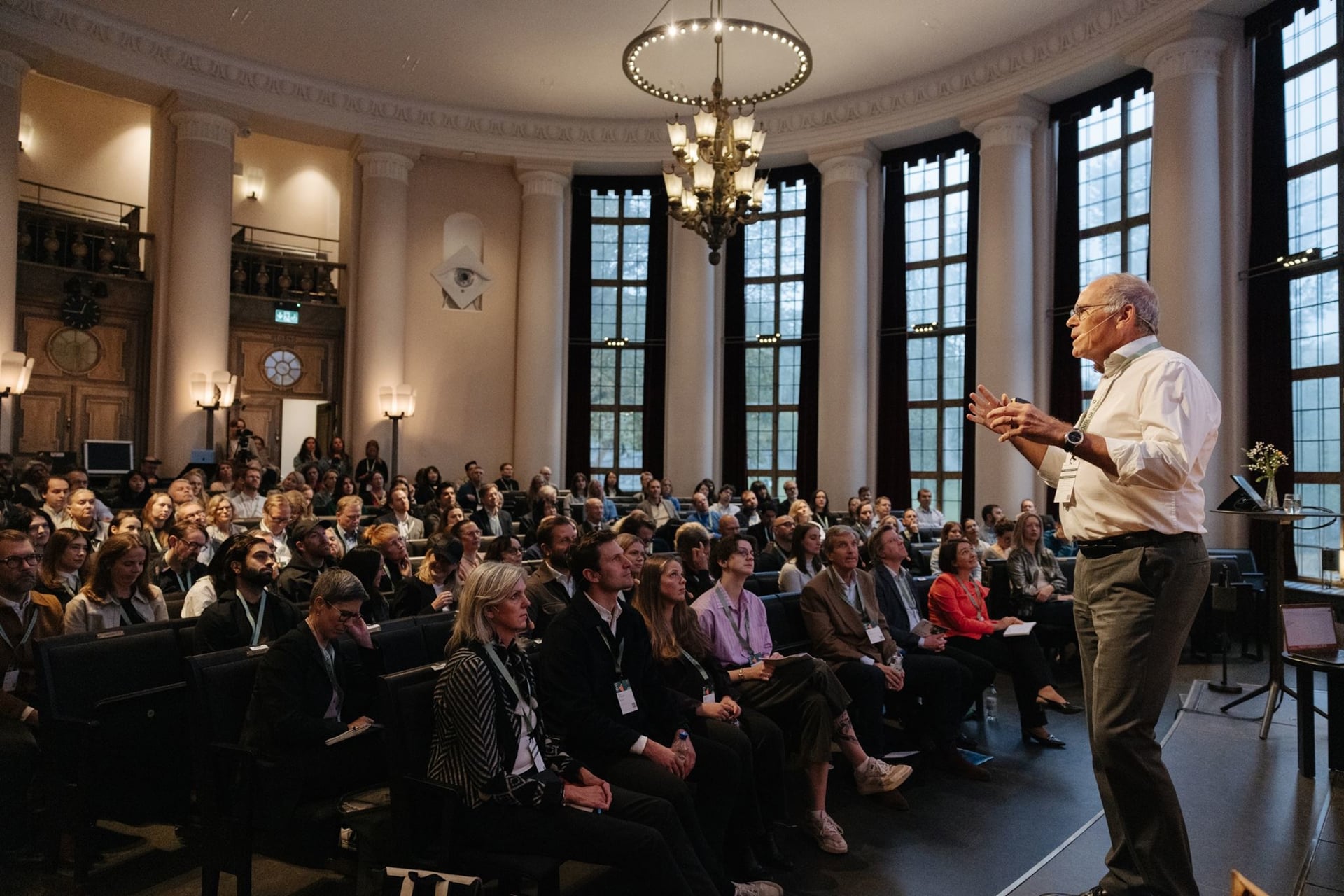
Photo: Priscila Elias/Juliana Wolf Photography
Innovation, investment, and food production
Mark Post kicked off his presentation with a statement: alternatives to conventional meat production are increasingly important. Global meat consumption is expected to keep rising as more people can afford it, he said, while about 80 percent of agricultural land is already used to feed animals rather than people.
“We basically don't have enough planet to support the meat production that is needed for the next couple of decades,” he said.
Post described how cultivated meat technology has evolved and how production costs have fallen since the first burger (which cost about EUR 250,000). But scaling up production and lowering costs remain the main challenges. Of the roughly 175 companies in the field at its peak, only about 100 remain, he said. He also outlined the regulatory progress made in different markets.
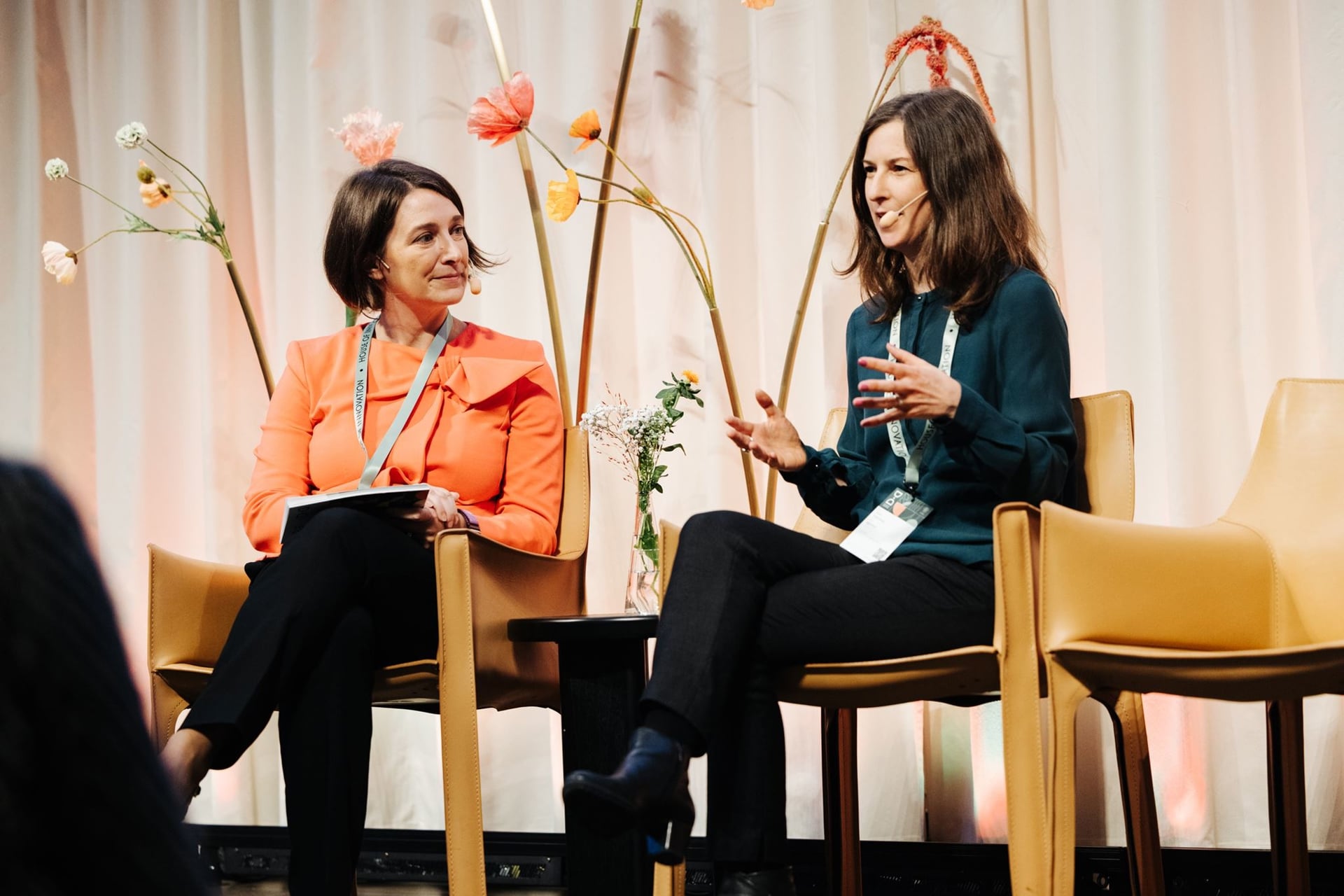
Photo: Priscila Elias/Juliana Wolf Photography
Valentina Tartari then moderated a conversation with Vera Söderberg, sustainability manager at Agronod, on how agricultural data can help farmers understand their climate impact. Söderberg explained that farmers enter their data once and decide who can access it. About 3,000 farms use the platform, and around 2,000 farmers return each year to calculate and compare their climate footprints.
Mattias Nordqvist, SEB Professor of Entrepreneurship and Family Business at the Center for Family Enterprise, moderated the panel “Building the transition,” featuring Amanda Axman of OlsAro, Marika King of PINC, and Niklas Wallsargård of Improvin'. Their discussion focused on patient investment, farm-level data, and climate-resilient crops. The speakers highlighted the need for long-term investment and better ways to reward sustainable farming practices.
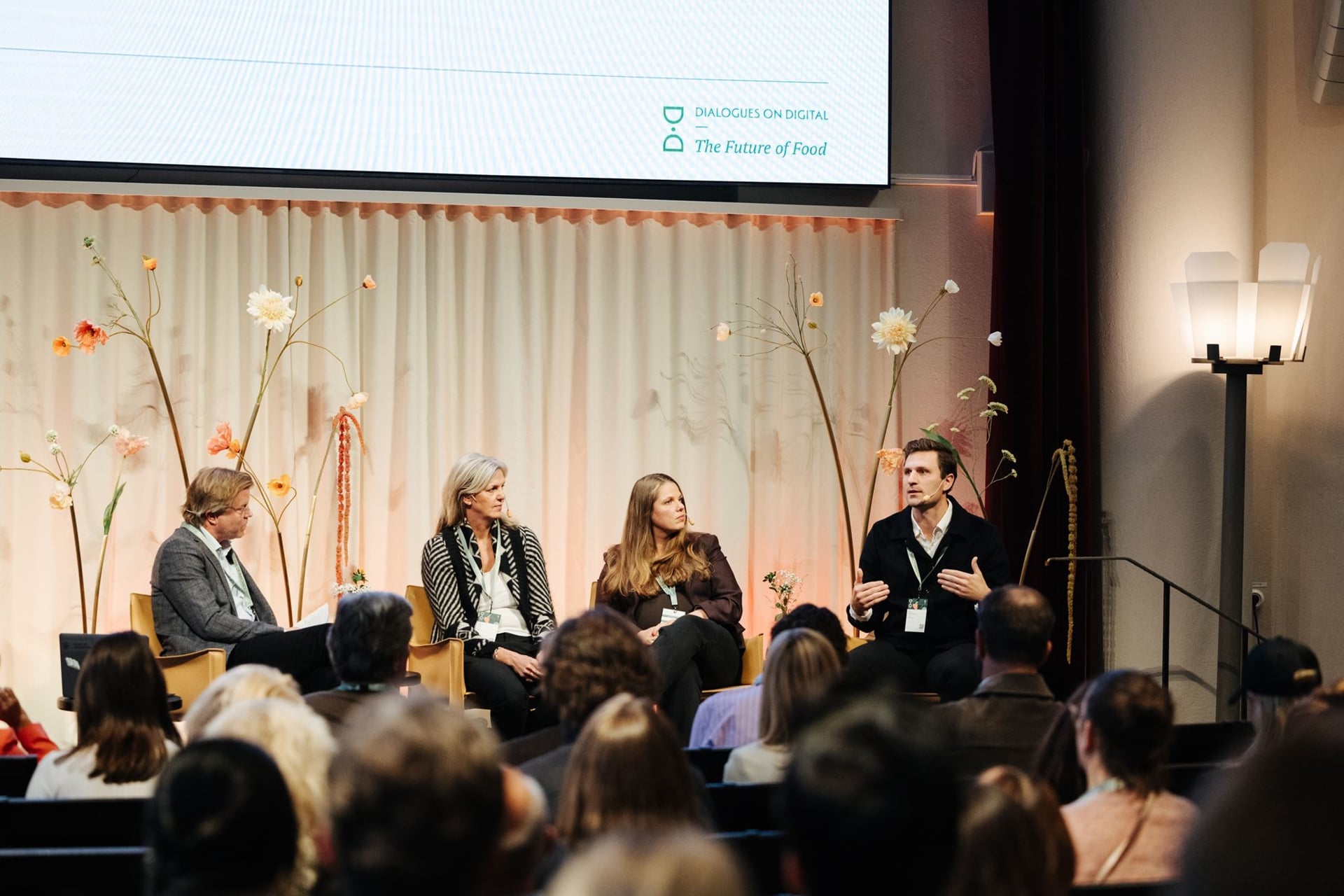
Photo: Priscila Elias/Juliana Wolf Photography
Making food systems more resilient
David von Laskowski, president and CEO of Picadeli Group, and Valentina Tartati discussed how to make healthier food accessible. Von Laskowski argued that healthier choices must be appealing, convenient, and affordable, and explained how Picadeli uses artificial intelligence to adapt its salad bar selections to local preferences and help reduce food waste.
He described a “green gap” between what people intend to eat and what they actually choose. Closing it requires more than individual effort, he said: companies and policymakers must help make healthier food easier to access.
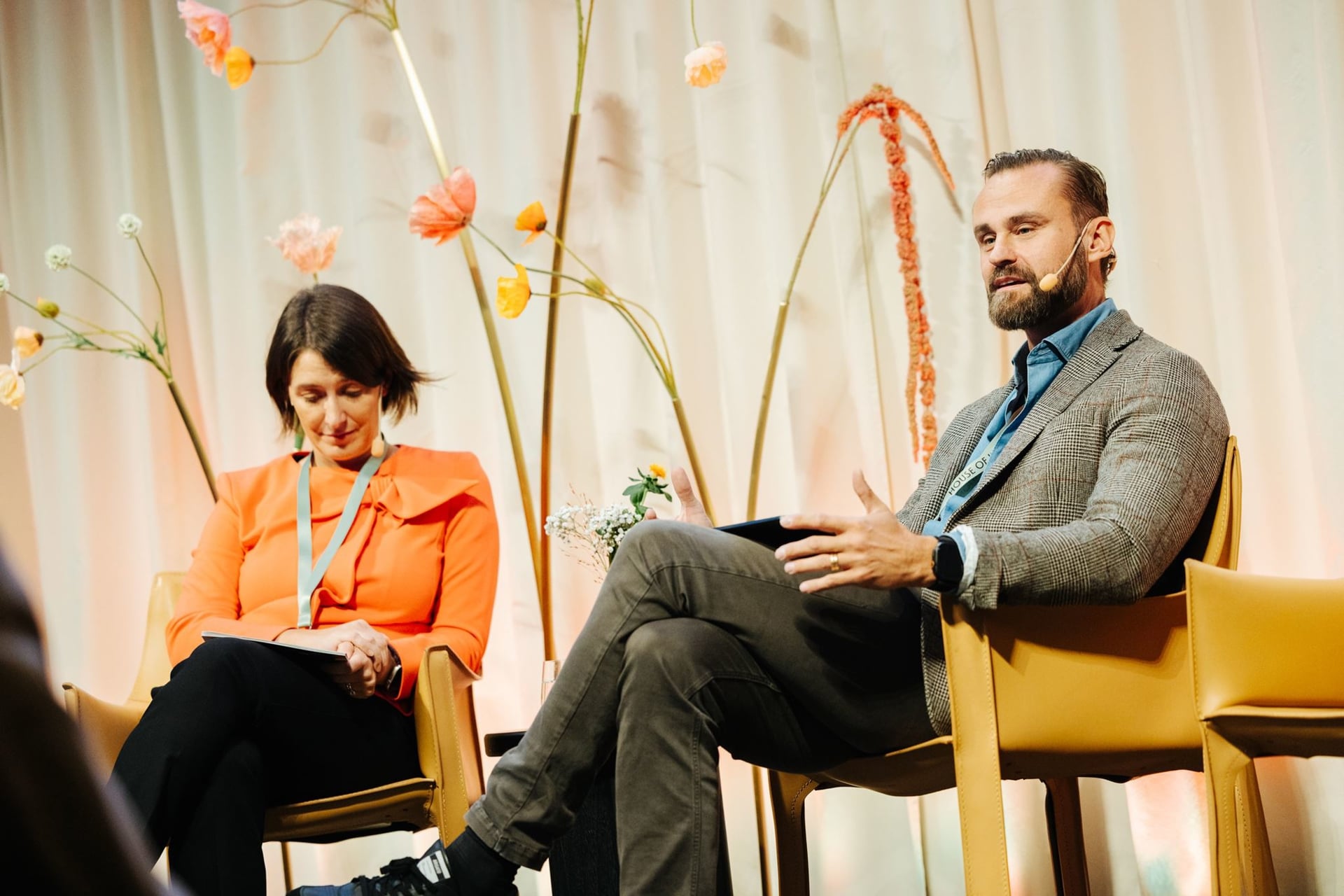
Photo: Priscila Elias/Juliana Wolf Photography
Constantin Blome, professor in transformative innovation at the Center for Transformative Innovation, moderated a fireside chat with Kajsa-Lisa Ljudén, head of sustainability at Löfbergs, and Mats Liedholm, managing director of Fazer Sweden. Using coffee and cocoa as examples, they discussed how climate change threatens supply chains and smallholder farmers.
Ljudén described how a cooperative in Peru adopted regenerative practices after a drought, with farms already using those methods faring better. Liedholm pointed to Finland's approach to preparedness as a model for Sweden and discussed the role of locally grown ingredients in reducing dependence on long supply chains.
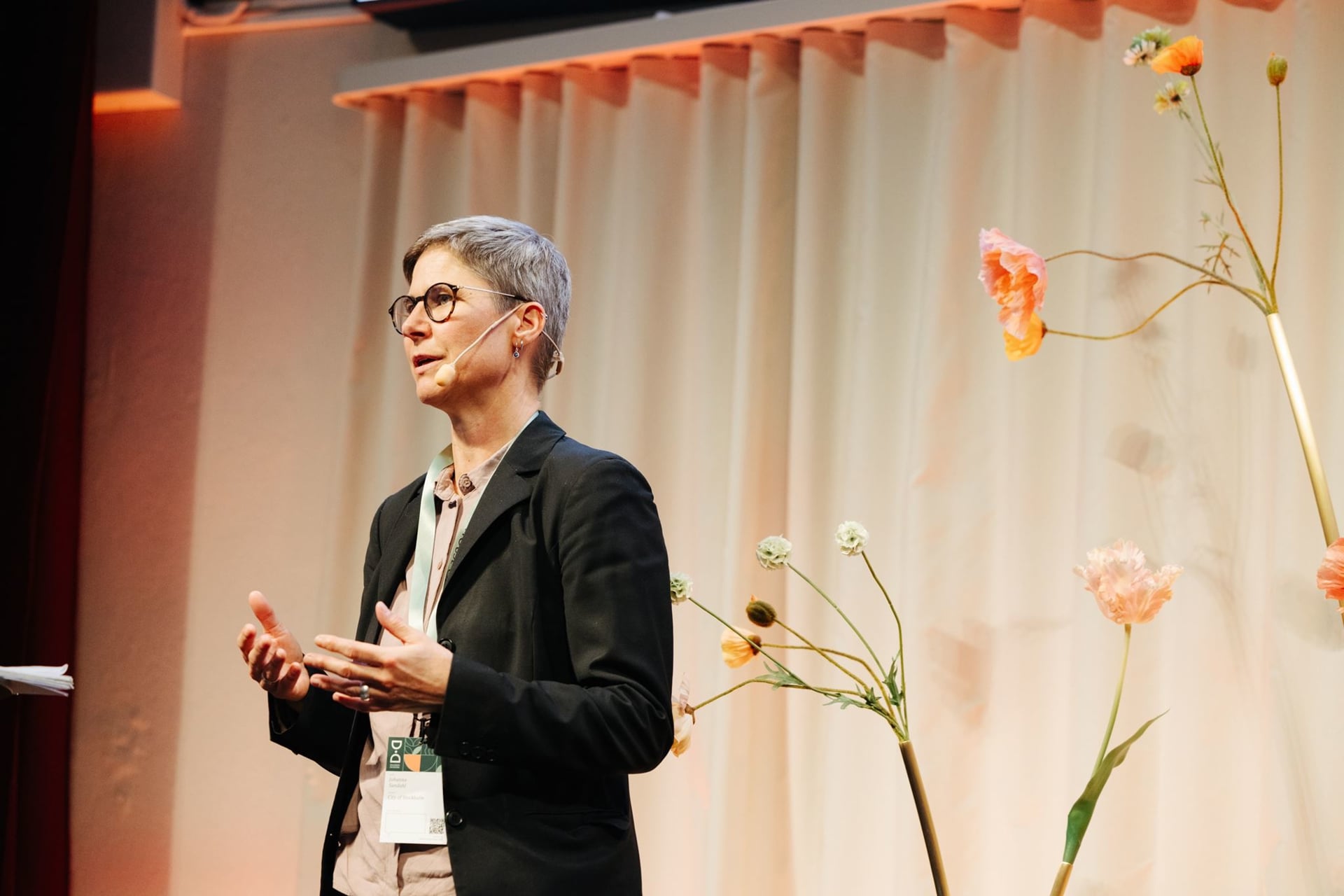
Photo: Priscila Elias/Juliana Wolf Photography
Valentina Tartari also moderated a conversation with Johanna Sandahl, strategist for resilient food systems at the City of Stockholm. Sandahl explained that cities must be able to keep serving meals in preschools, schools, and elderly care facilities during a crisis. She argued that public procurement can help strengthen food system resilience, provided that smaller businesses can also access public contracts.
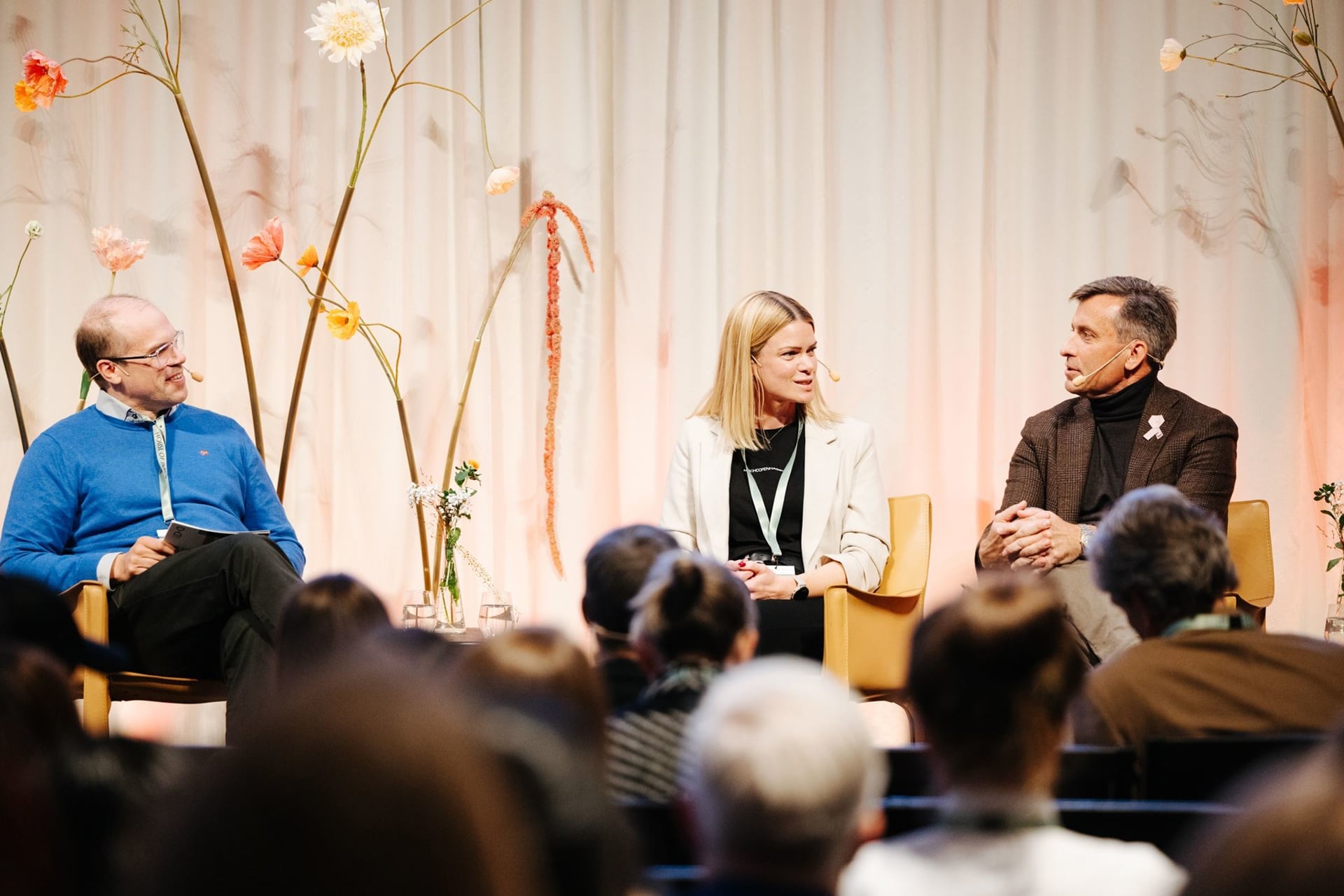
Photo: Priscila Elias/Juliana Wolf Photography
Financing the transition
The third session focused on the investment needed to make nutritious food more accessible and strengthen food system resilience.
Mattias Nordqvist moderated a fireside chat with Anna Skarborg, managing director and director of sustainability at P Capital Partners, and Carolina Sachs, senior sustainability advisor at Eidra, board member, and investor.
Skarborg described a funding gap between early-stage innovation and the point when companies are ready to scale. She called for patient capital and long-term political commitment to give businesses the stability they need to grow.
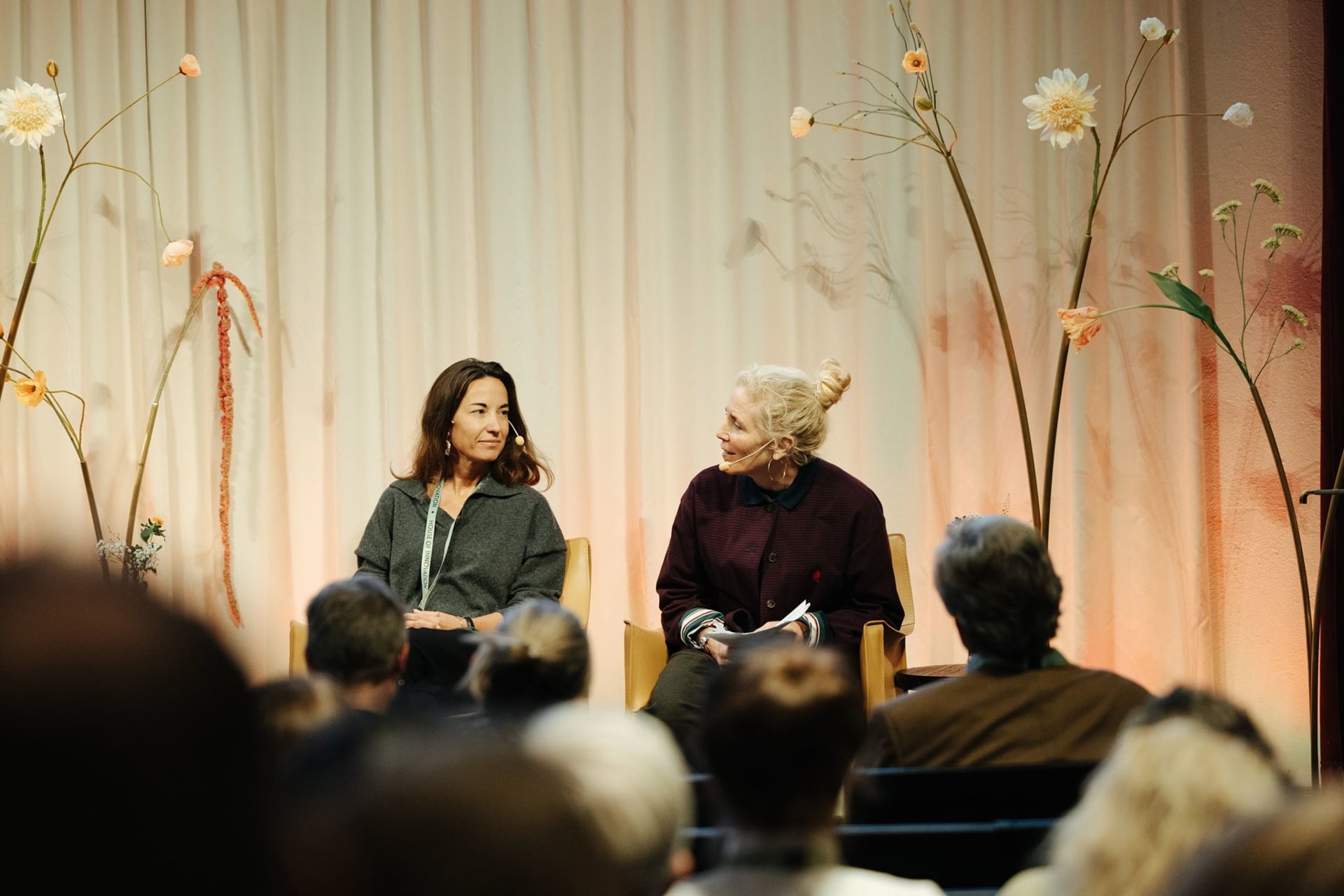
Photo: Priscila Elias/Juliana Wolf Photography
Sachs highlighted Sweden's dependence on imported agricultural inputs, from fertilizer to feed, and the need to give food security greater strategic priority.
Across the sessions, three priorities emerged: long-term investment, better farm-level data, and clearer direction from public buyers and policymakers. The discussions also highlighted that sustainability initiatives must strengthen resilience and align with companies' business incentives.
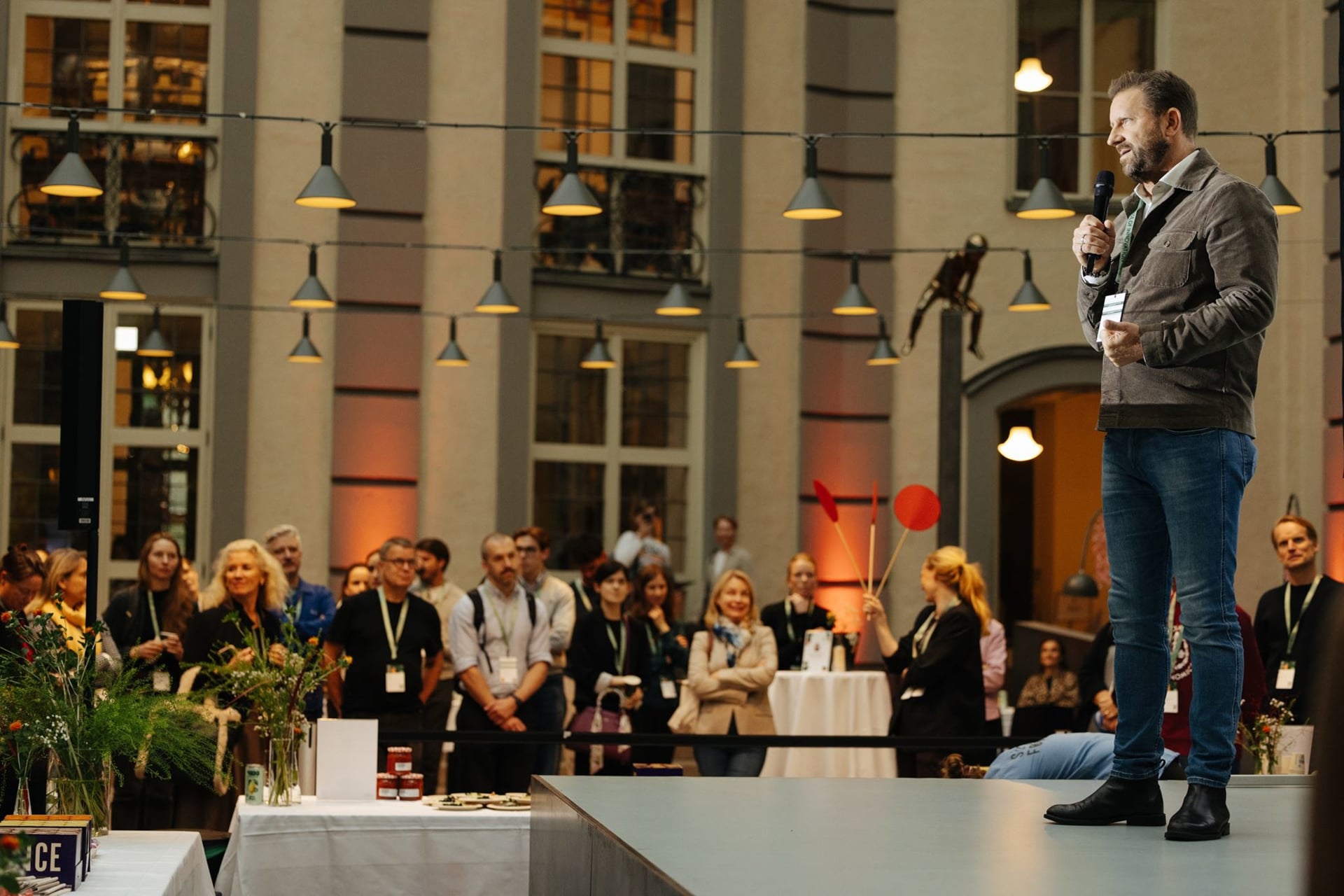
Photo: Priscila Elias/Juliana Wolf Photography
Exploring the future of food
Beyond the stage, participants could experience emerging food innovations at the Future Food Experience, hosted with Sweden Foodtech. They could taste new products, meet the chefs and innovators behind them, and take part in guided networking before the closing reception.
We thank everyone who participated, attended, and helped make this event a day to remember!
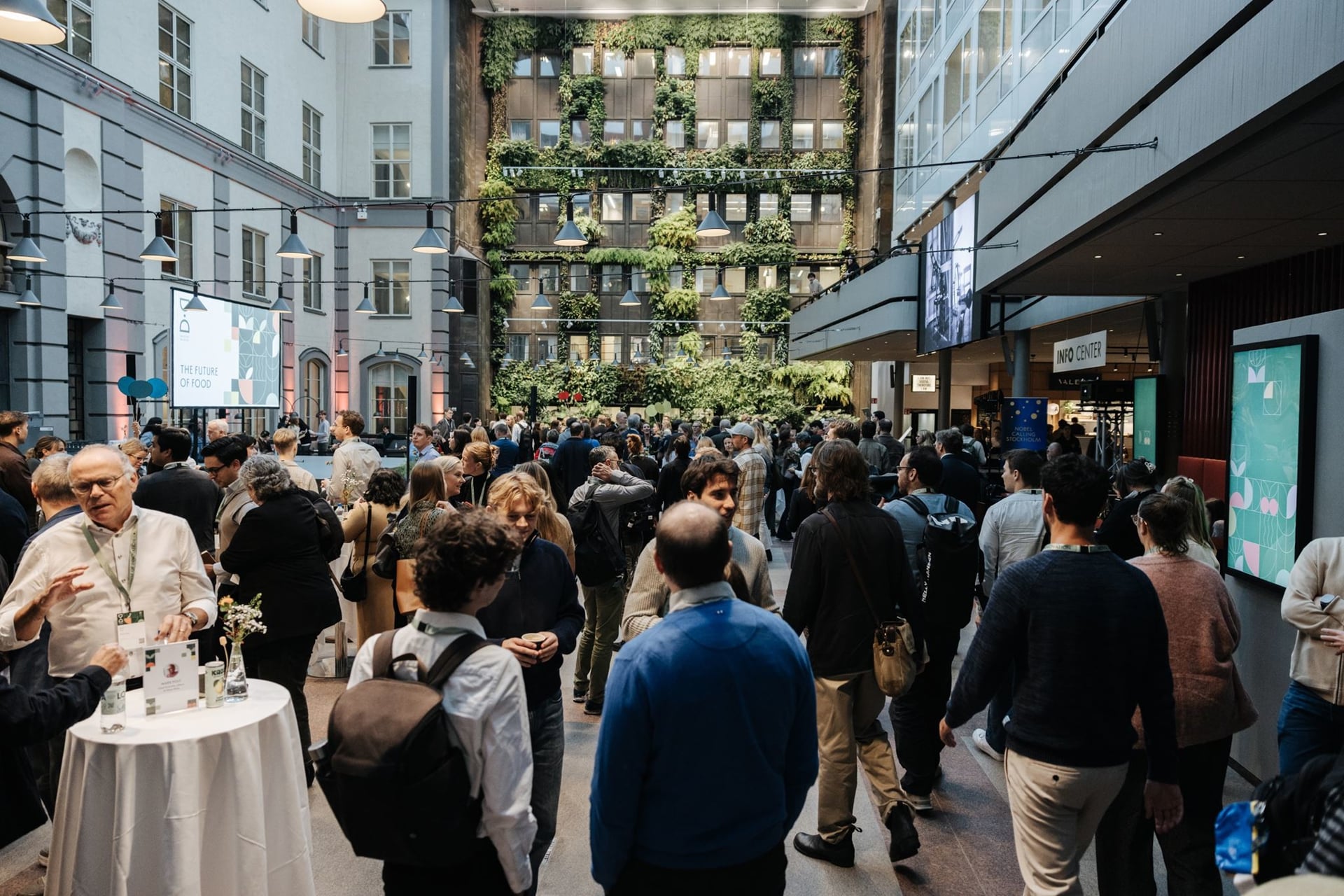
Photo: Priscila Elias/Juliana Wolf Photography
Dialogues on Digital 2026 was organized by the House of Innovation together with the Wallenberg Foundations, Digitalidag, the Future Work Forum, the Swedish Center for Digital Innovation, and the House of Sustainable Society.
The conference is also part of the outreach program of the Jacob and Marcus Wallenberg Center for Innovative and Sustainable Business Development, the Center for Family Enterprise, and the Center for Transformative Innovation. The House of Innovation is co-funded by the Erling Persson Foundation.
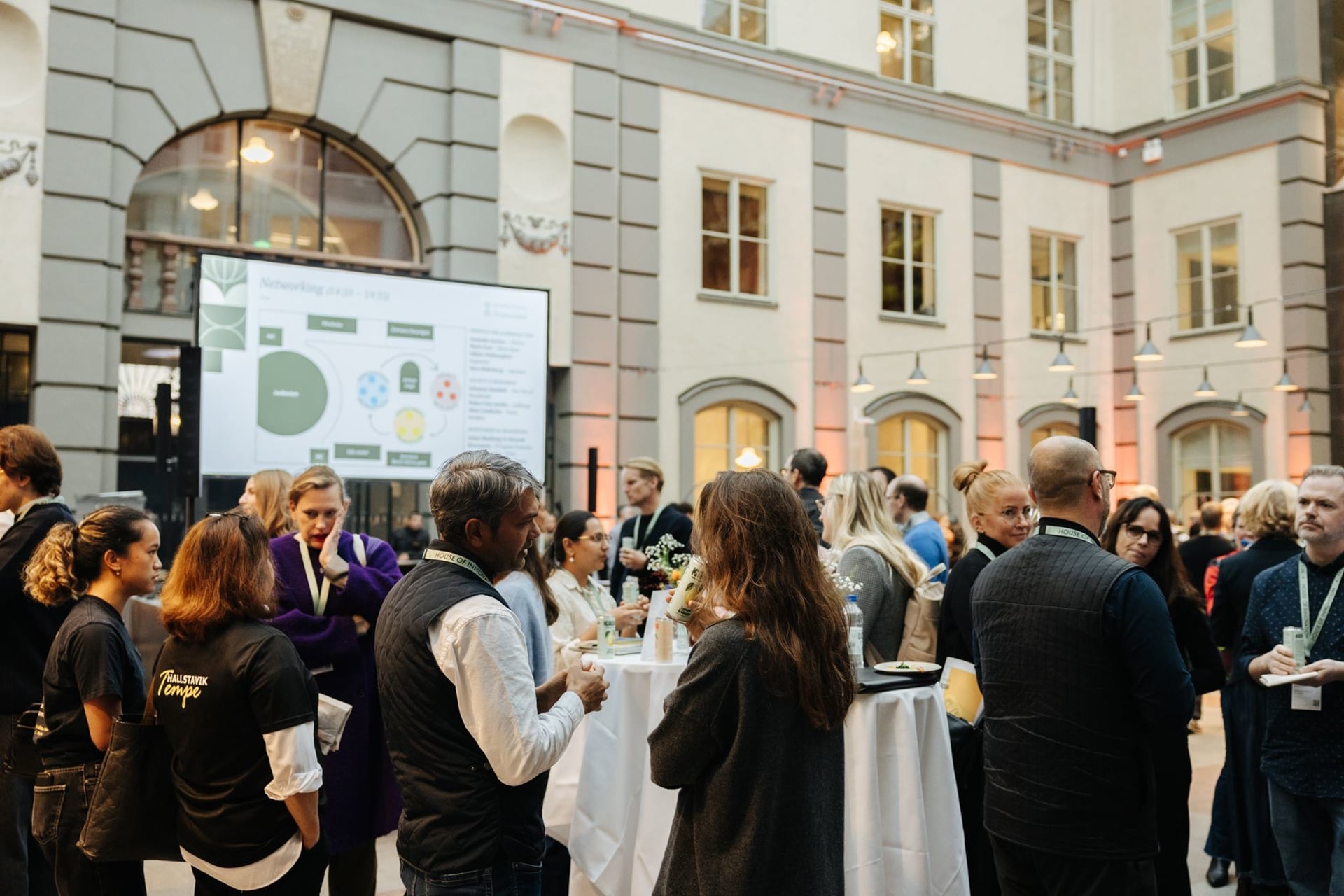
Photo: Priscila Elias/Juliana Wolf Photography


