Ahtila, Grünstein, Nobel

An exhibition bringing together photography and charcoal drawing by exploring perception, identity and society.

Date: Between October 6 and December 15, 2015

Location: Stockholm School of Economics
Artists: Eija-Liisa Ahtila, Denise Grünstein and Jonas Nobel
In collaboration with: Galleri Charlotte Lund and SASSE Art Division

Photos by: Mikael Olsson

About the exhibition

Works by Eija-Liisa Ahtila, Denise Grünstein and Jonas Nobel came together in an exhibition that moved between photography and charcoal drawing, connecting questions of representation and identity with ecological and socio-economic perspectives.

The presentation moved from Ahtila’s critique of human-centred representation, through Grünstein’s surreal and psychologically charged images, to Nobel’s reflections on labour, production and social structures.

The exhibition was produced in collaboration with Galleri Charlotte Lund and SASSE Art Division.

First Featured Work: Instruments by Eija-Liisa Ahtila

Three works from Ahtila’s photographic series Instruments were presented from her wider project Studies on the Ecology of Drama (2014).

Conceived as a performance for and with the camera, the project examines the limits of an anthropocentric tradition of representation and asks how images might reach beyond the human realm. Its panoramic projected environment surrounds the viewer physically and narratively before the story breaks apart, piece by piece.

Read more about the featured work

Second Featured Work: Wunder, Winter and Figure Out by Denise Grünstein

The exhibition featured five works by Grünstein: four photographs from the related series Wunder and Winter, developed in parallel during the same period.

Rather than travelling to distant locations, Grünstein turned to her immediate surroundings. Wunder was photographed in her studio and Winter in her greenhouse. Through surreal figures, shifting proportions and carefully staged settings, she translated emotions and moods into ambiguous visual worlds.

A further photograph came from Figure Out, a series of ten large-scale colour photographs exploring dissolving boundaries between male and female, dream and reality, and nature and culture.

Read more about the featured work

Third Featured Work: Katedral? Fabrik? by Jonas Nobel.


Four charcoal drawings from Nobel’s project Katedral? Fabrik? introduced a social and economic perspective to the exhibition.

Nobel builds conceptual narratives in layers, combining material contrasts, historical references and a subtle sense of absurdity. Katedral? Fabrik? includes a handcrafted paraphrase of the Gutenberg printing press that produces analogue clip art with cathedral-like silhouettes.

Through this meeting of craft, mass production and industrial imagery, the work reflects on how systems of labour and representation shape society.

Read more about the featured work

About the artists

The exhibition brought together three artists whose practices span moving image, photography, drawing, sculpture and installation.

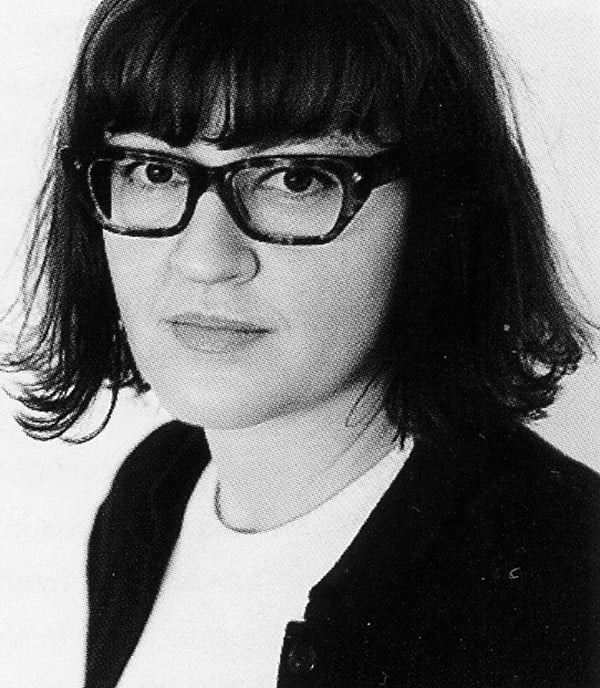
Eija-Liisa Ahtila (b. 1959, Hämeenlinna) is one of the most internationally renowned Nordic contemporary artists. Working across film, photography and cinematic installation, she experiments with narrative storytelling, perception and the ways meaning is created through the moving image. Her recent work broadens the focus beyond people to their environments and other living beings.

“How to depict living things? How to approach them? How to convey a different way of being, another being’s world?”


— Eija-Liisa Ahtila, on Studies on the Ecology of Drama

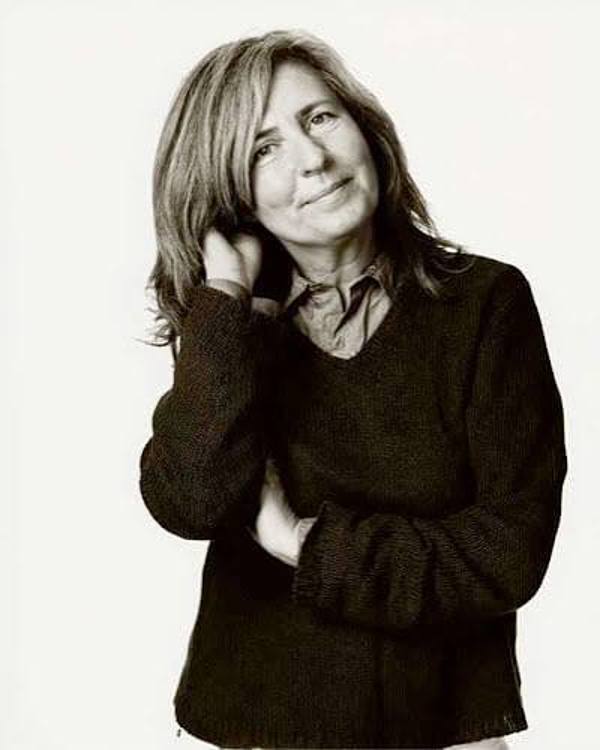
Denise Grünstein (1950–2023) was born in Helsinki and worked in Sweden throughout her career. Internationally recognised as a photographer, she developed an experimental and highly personal style. Her images of nature and people explore identity, sexuality and gender through carefully staged scenes with a romantic yet unsettling atmosphere.

“I am interested in what I don’t understand.”

— Denise Grünstein, on Figure Out

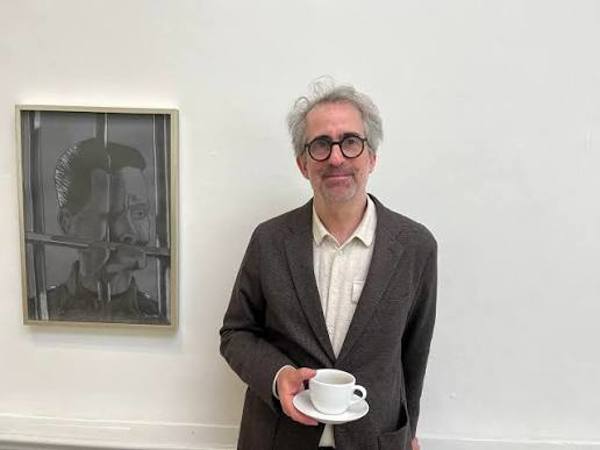
Jonas Nobel (b. 1970, Uppsala) is a Swedish artist based in Stockholm. He works with drawing, collage, sculpture and installation. Inspired by mass production and industrial representation, his layered and sometimes absurd compositions combine historical references, material contrasts and socially reflective titles.

“This place is the essence of what we do as human beings, when we are free to do as we wish.”

— Jonas Nobel, on the Metropolitan Museum of Art (translated from Swedish)