How trust, identity, and resilience have evolved in Ukraine under pressure

Over the past three decades, Ukraine has undergone profound social and political change - accelerated dramatically by Russia’s full-scale war. On January 19, SITE hosted Ukrainian sociologist Tymofii Brik (Rector of the Kyiv School of Economics, KSE; National Coordinator of the European Social Survey, 2022–2026) to examine how Ukrainians’ trust, identities, values, and political attitudes have evolved before and during the full-scale invasion - and what these trends imply for cohesion and resilience under extreme pressure.
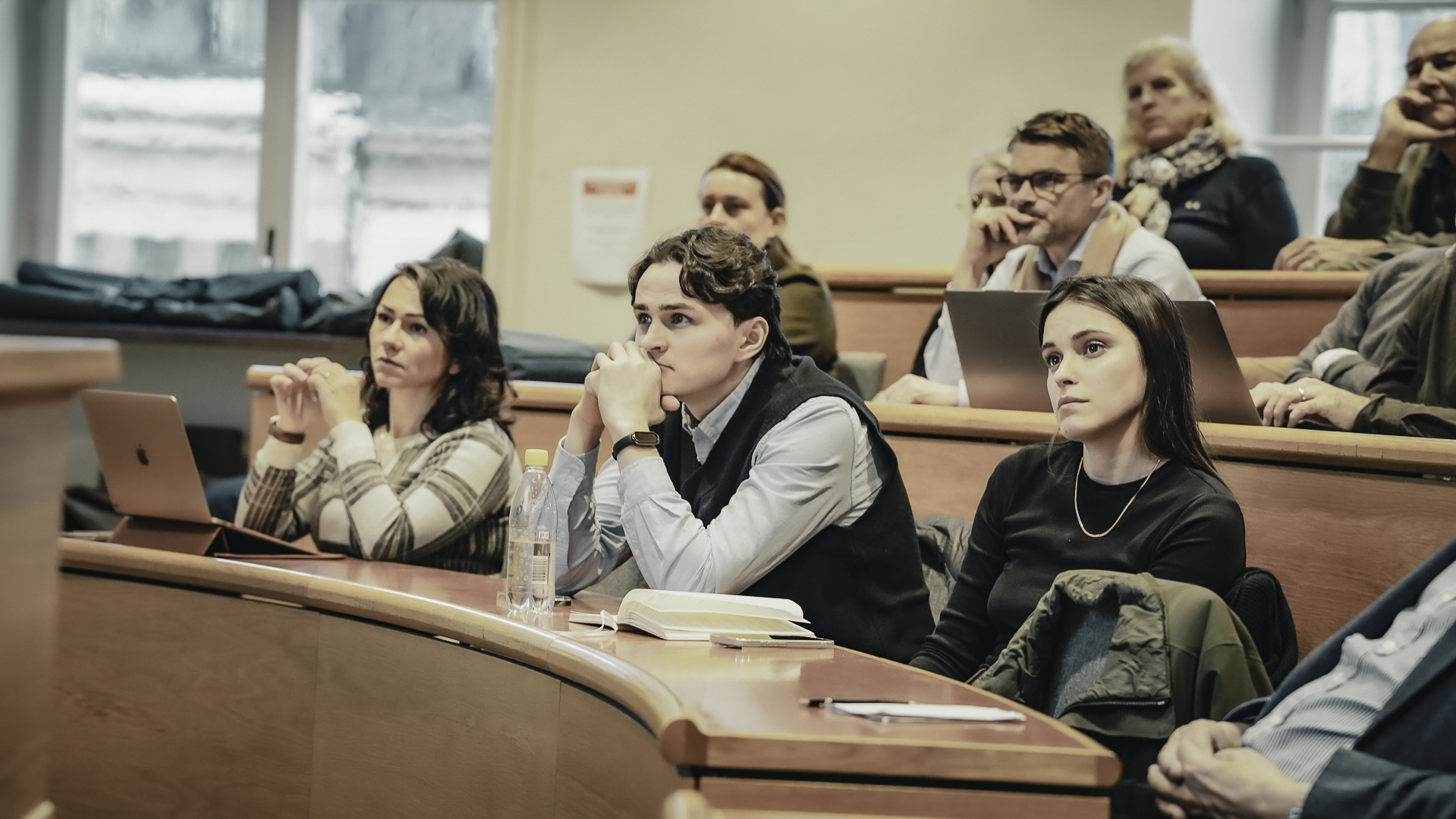
Drawing on nearly three decades of survey evidence (including the European Social Survey and national data), Brik described Ukraine as a complex, transforming society with strong aspirations toward democracy and EU integration. While some indicators point to polarization, others suggest convergence - offering a nuanced picture of social change in wartime.
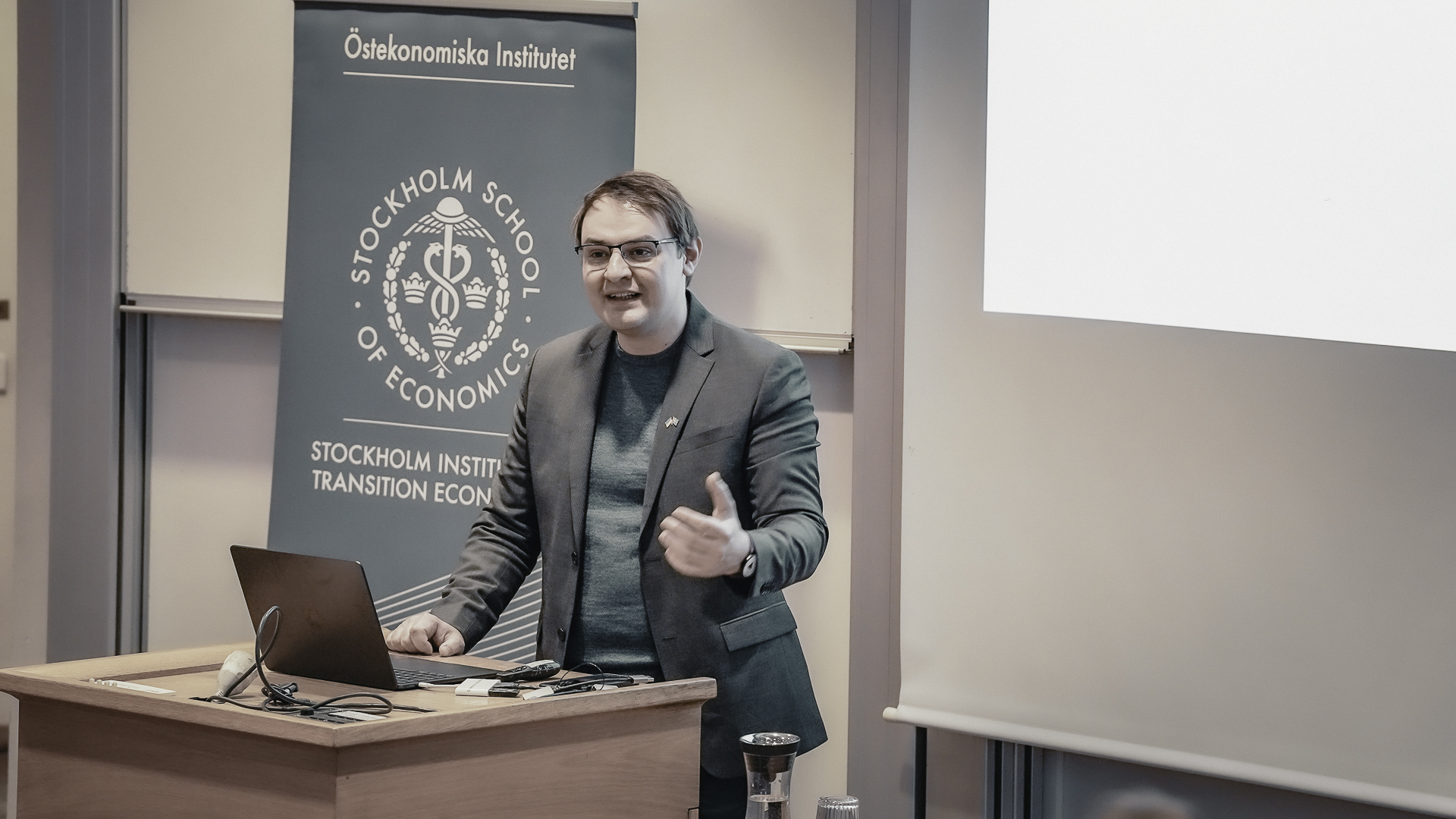
A central theme was that Ukraine’s reputation as a “low-trust society” requires qualification. Distrust is strongest toward national-level state institutions, while trust remains comparatively robust toward family, the church, and local communities - a pattern often linked to Soviet legacies and reinforced by post-Soviet uncertainty about rules and norms. Yet Ukraine has sustained high levels of civic mobilization, from volunteerism to mutual aid, often driven less by institutional trust than by identity and shared purpose.
Institutional trust also varies by proximity and performance. Trust in national institutions has fluctuated with political events, while trust in local authorities rose markedly after the 2015 decentralization reform and has remained more stable since. The discussion further highlighted how historical legacies and local political culture differ at fine geographic levels, alongside a sharp rise in national identification after the full-scale invasion.
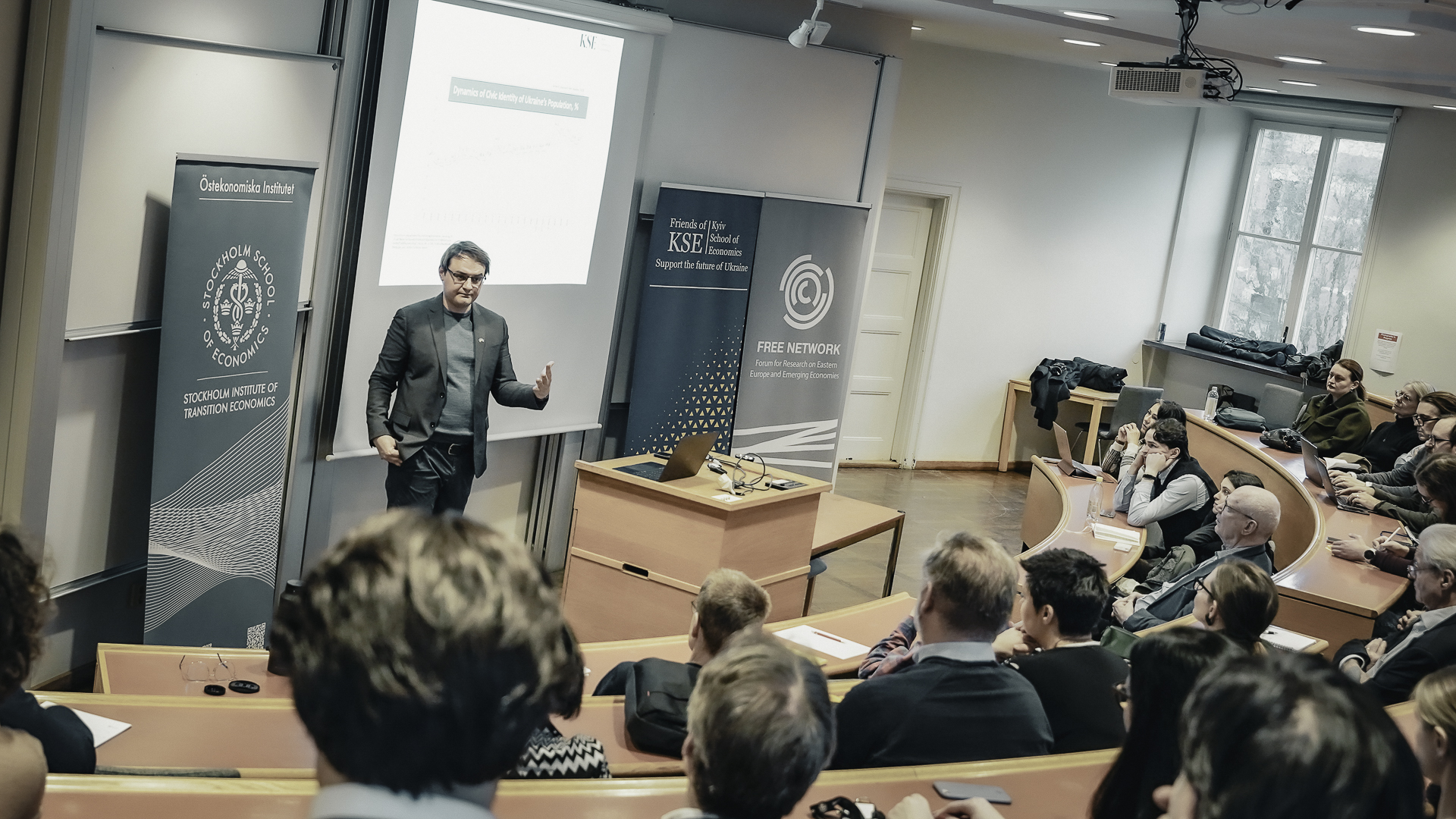
The talk framed wartime resilience as a combination of preparedness, robustness, and adaptive capacity. Evidence from Ukrainian Hromadas suggests meaningful variation across these dimensions, with stronger resilience associated with inter-municipal cooperation - underscoring the role of horizontal networks and social capital.
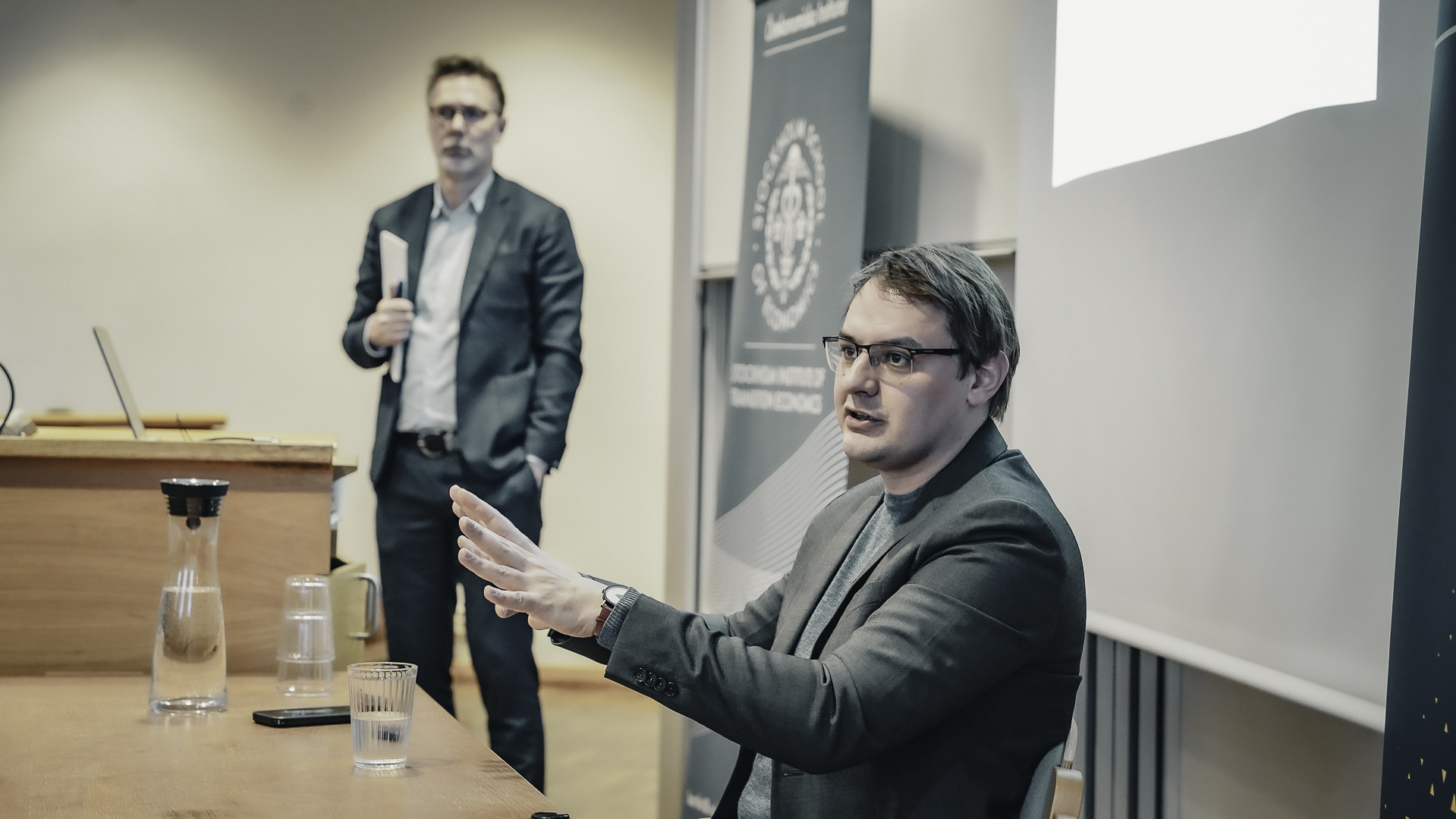
From left: Anders Olofsgård, Deputy Director of SITE, and Tymofii Brik during the Q&A session.
Finally, Brik discussed shifting attitudes toward corruption, economic reforms, EU integration, and external actors. Corruption remains a major public concern, even where reported personal experience is lower. Support for EU integration increasingly reflects security and governance expectations as much as economics. Attitudes toward neighbors and international institutions have also moved quickly with events: perceptions of Russia collapsed after the full-scale invasion, trust in the EU has risen, and confidence in the UN has declined.
SOCIAL MEDIA
Follow us on social media to get the latest updates from SITE




Photos by: Dominick Nilsson