Partner Portrait: the Swedish Armed Forces

Building resilience through knowledge: Why academia matters in times of growth
The Swedish Armed Forces is undergoing its largest expansion in decades. In times of transformation and growth, strategic partnerships have become increasingly important. For the Armed Forces, collaboration with academia, particularly with the Stockholm School of Economics in relation to the ongoing expansion, plays a key role in ensuring that the process benefits from expertise in areas such as management and control, supply chains, and innovation.
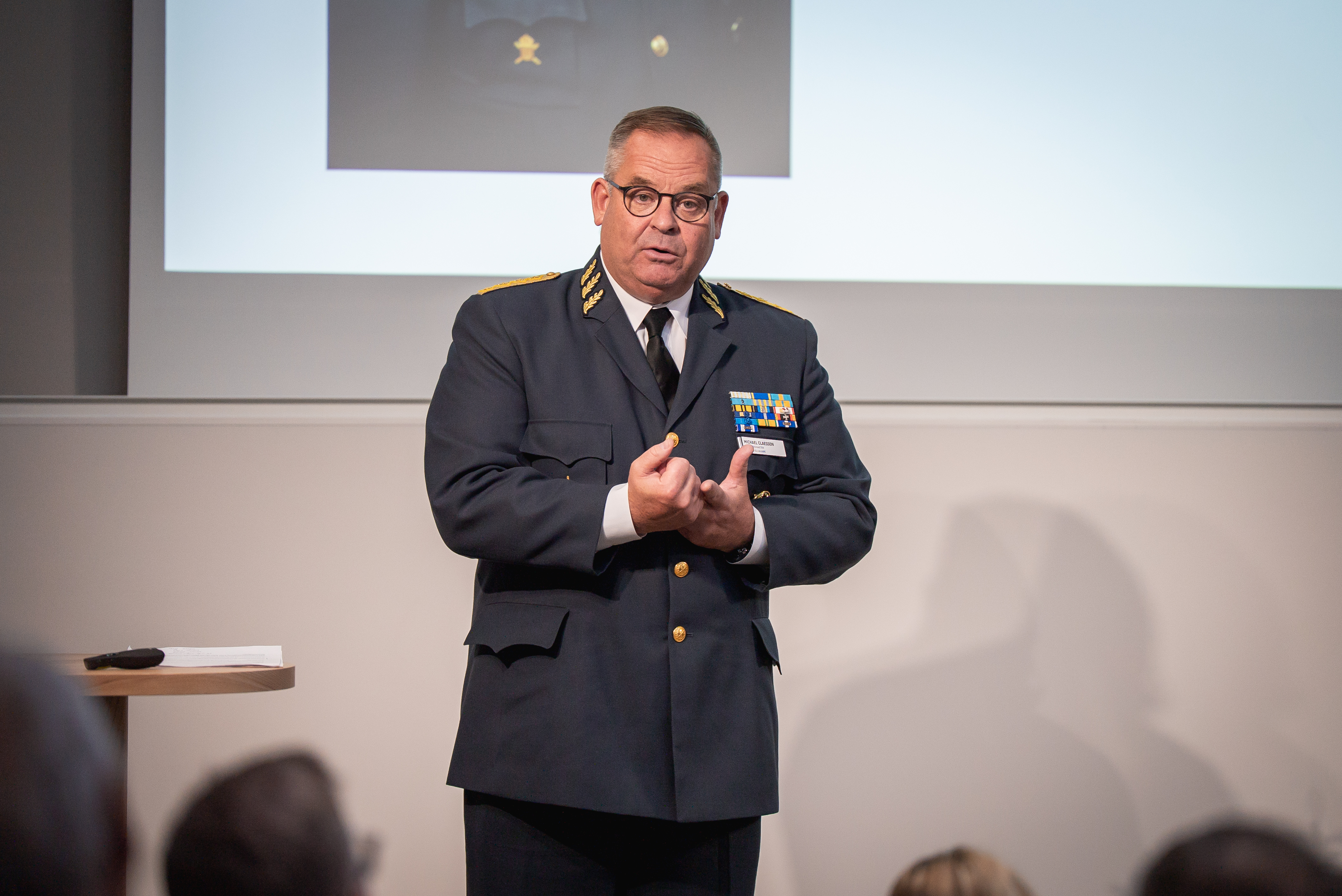
General Michael Claesson at the Center for Security and Resilience's soft launch, June 2025. Photo: Edvin Landvik
Complementary expertise beyond defense research
The Swedish Armed Forces has long-standing collaborations with institutions such as FOI, the Swedish Defence University, and the Swedish Defense Materiel Administration (FMV) in the field of defense-specific research. However, broader academic partnerships add important dimensions.
The Center for Security and Resilience (CfSR) at the Stockholm School of Economics contributes with unique expertise in areas such as governance, organizational design, leadership, and decision-making, fields that complement operational and military planning. Institutions that offer cutting-edge knowledge within their respective domains are particularly valuable in strengthening overall defense capability.
“Security and resilience are not only about technology or materiel. It is also about how organizations function, make decisions under pressure, and adapt over time,” says Staffan Holmberg, Executive Director of the Center for Security and Resilience.
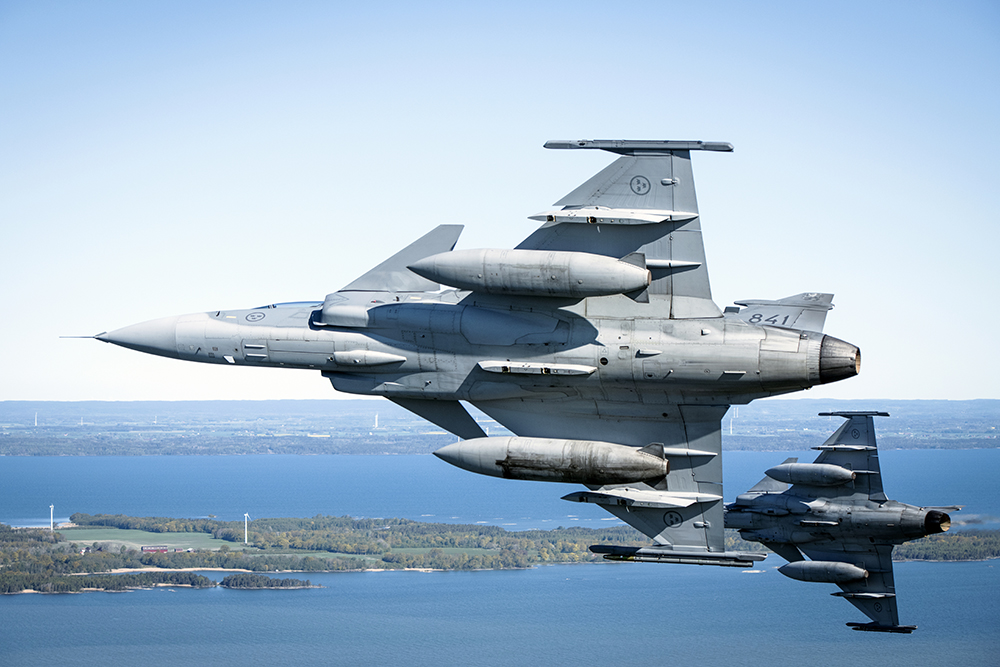 Photo: The Swedish Armed Forces
War is a human endeavor: Leadership and organization matter
David Bergman, Chief Scientist at the Armed Forces, makes his case clear;
“While technology and materiel are crucial, warfare ultimately remains a human activity. Effectively leading large organizations, both in everyday operations and under extreme conditions, is central to national defense capability.” and continues:
“Fields such as management control, organizational theory, and decision-making are therefore critical. Strengthening total defense requires more than technical solutions; it demands a deep understanding of how organizations function, adapt, and perform under pressure.”
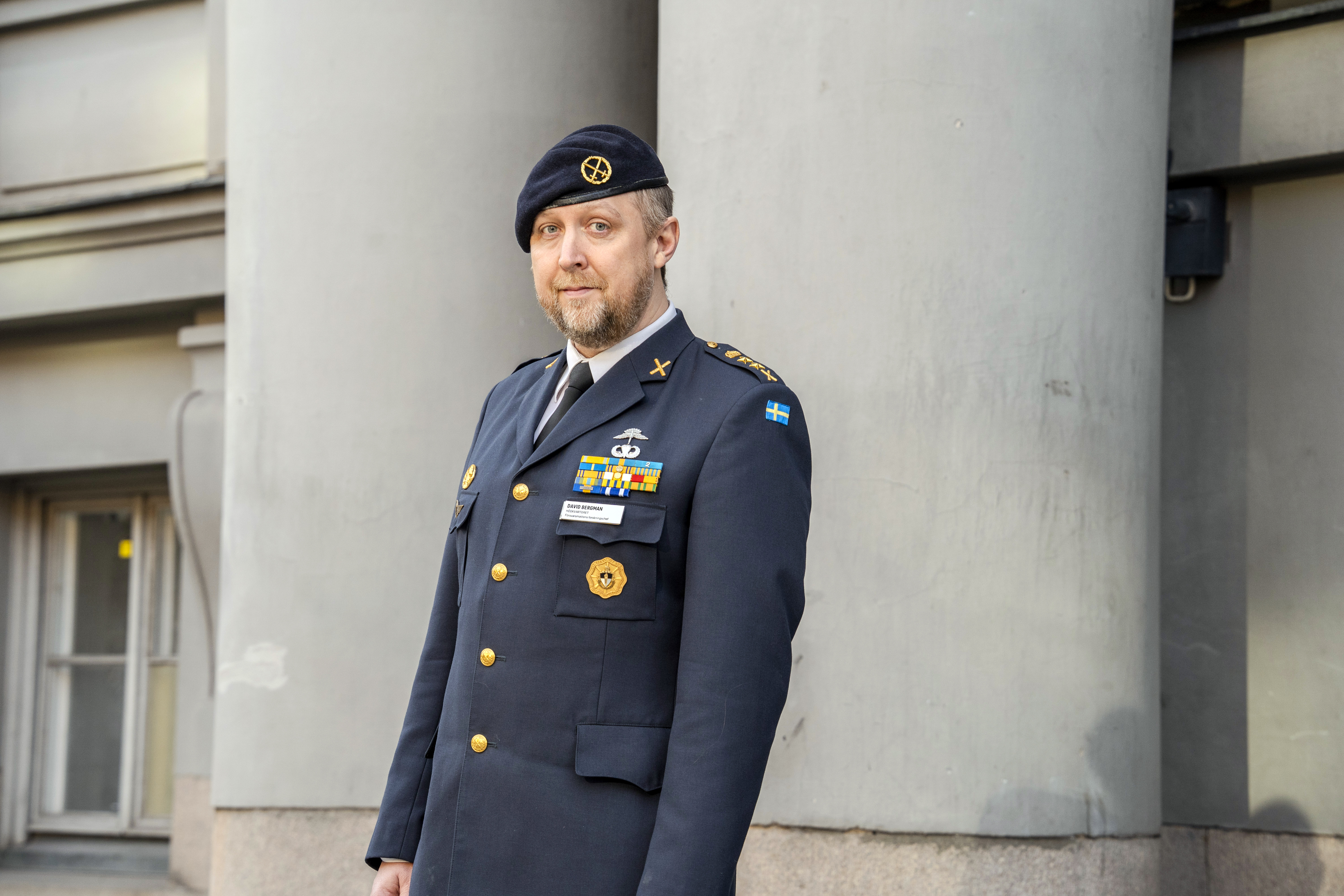
David Bergman. Photo: Johanna Ståhlberg
Civilian competence in a changing security landscape
Beyond military expertise, civilian competencies are increasingly vital. Fields such as management, intelligence analysis, development work, logistics, and organizational leadership often require educational backgrounds that extend beyond traditional military training.
Students from the Stockholm School of Economics are therefore warmly welcomed to pursue a career within the Armed Forces.
Growth, innovation, and facing the unknown
In a military context, it is not always possible to predict which problems will arise. War is always different, and adversaries will attempt to exploit areas where preparedness is weakest. One clear lesson from Ukraine is that war is a marathon, not a sprint. Endurance, logistics, adaptability, and the ability of the entire society to adjust to new conditions are crucial factors in sustained resilience.
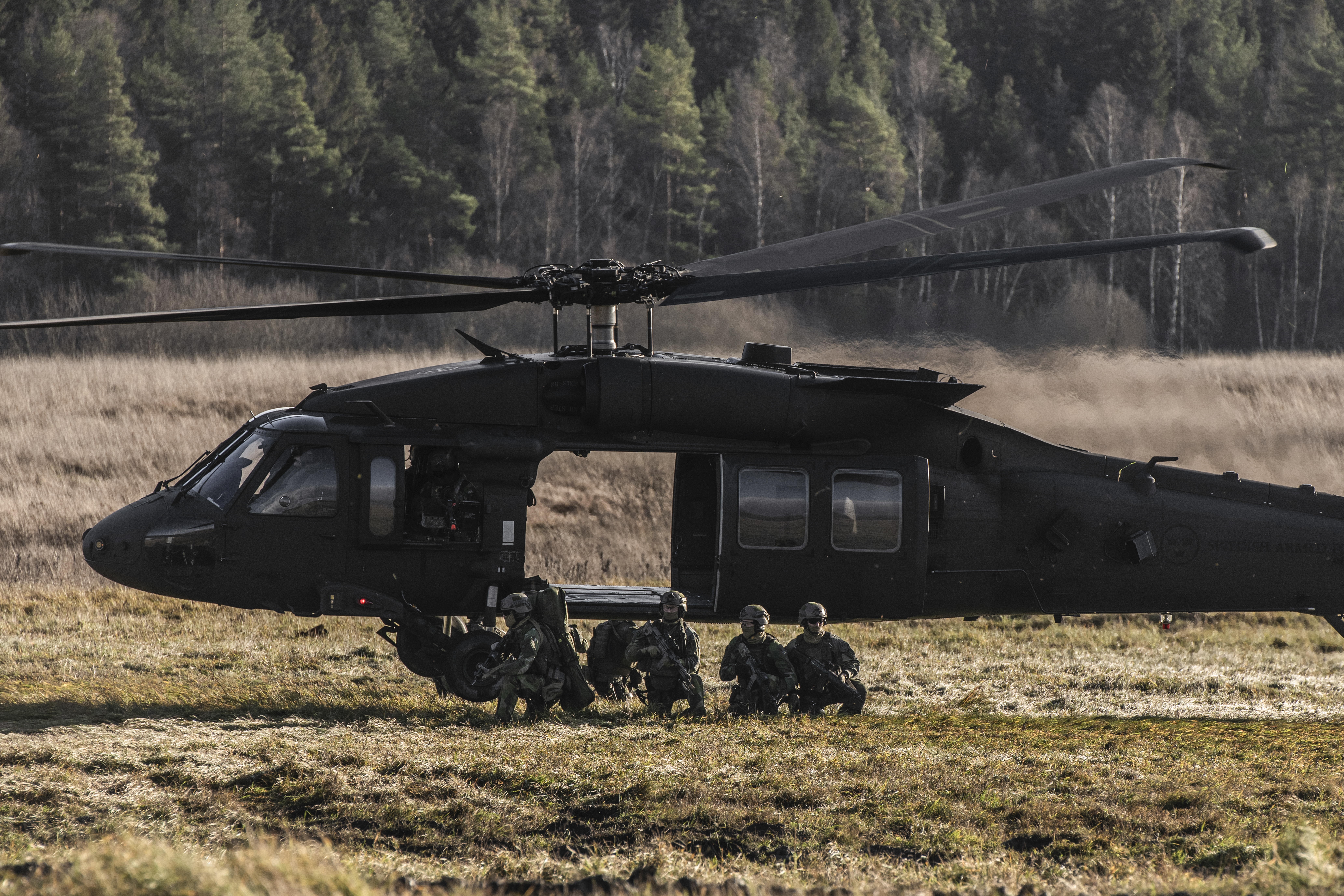
Photo: The Swedish Armed Forces
“Unlike civilian companies, which typically focus on solving foreseeable challenges, the Armed Forces must build an organization capable of handling problems that cannot yet be predicted. This is where research at the Stockholm School of Economics becomes particularly relevant. “ Says David Bergman.
The Armed Forces’ research agenda must therefore remain broad. With 23 overarching research areas and more than 400 projects, maintaining diversity in knowledge domains is essential. Continuous environmental scanning also helps identify emerging fields that require future attention.