Key takeaways
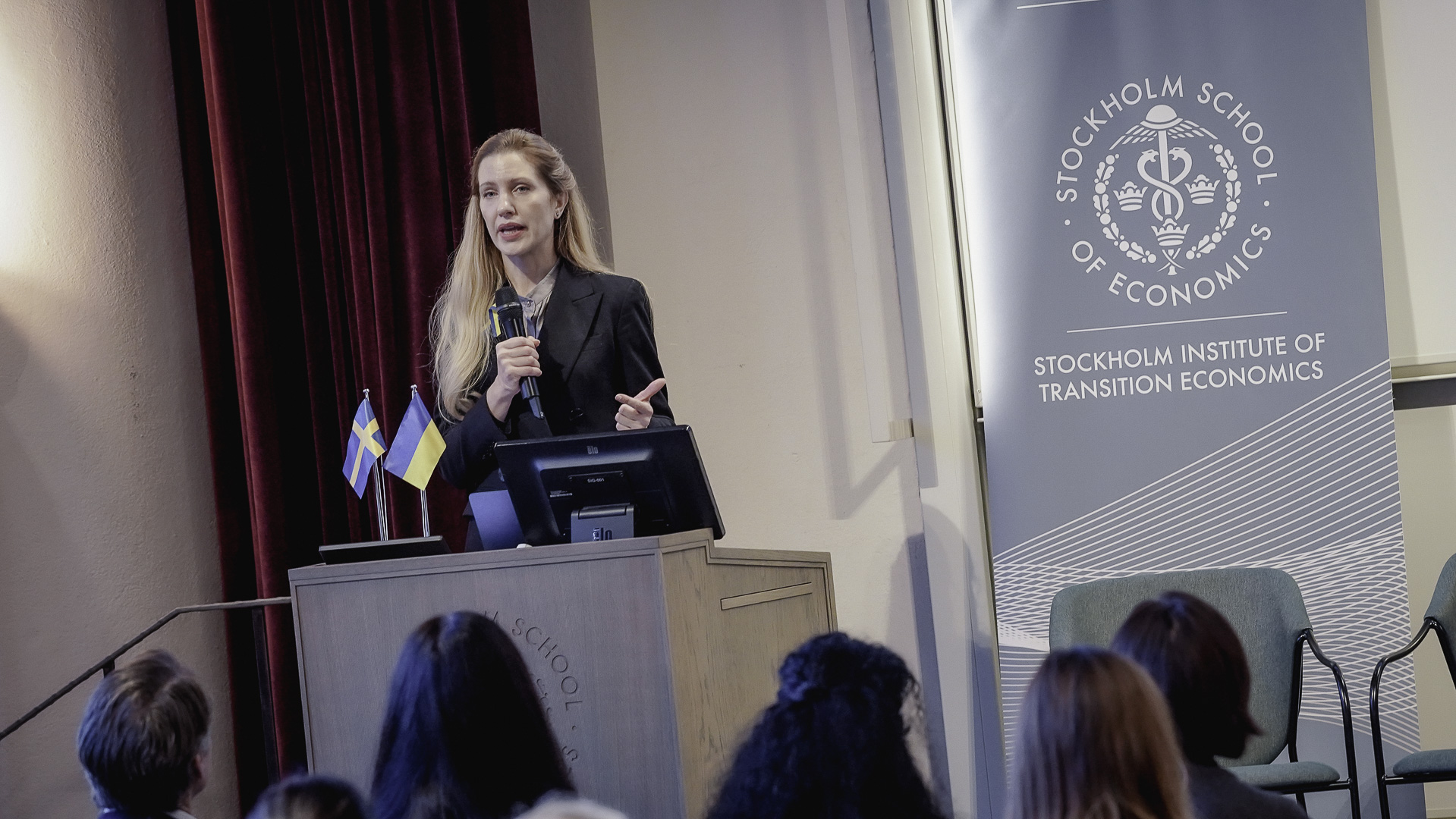
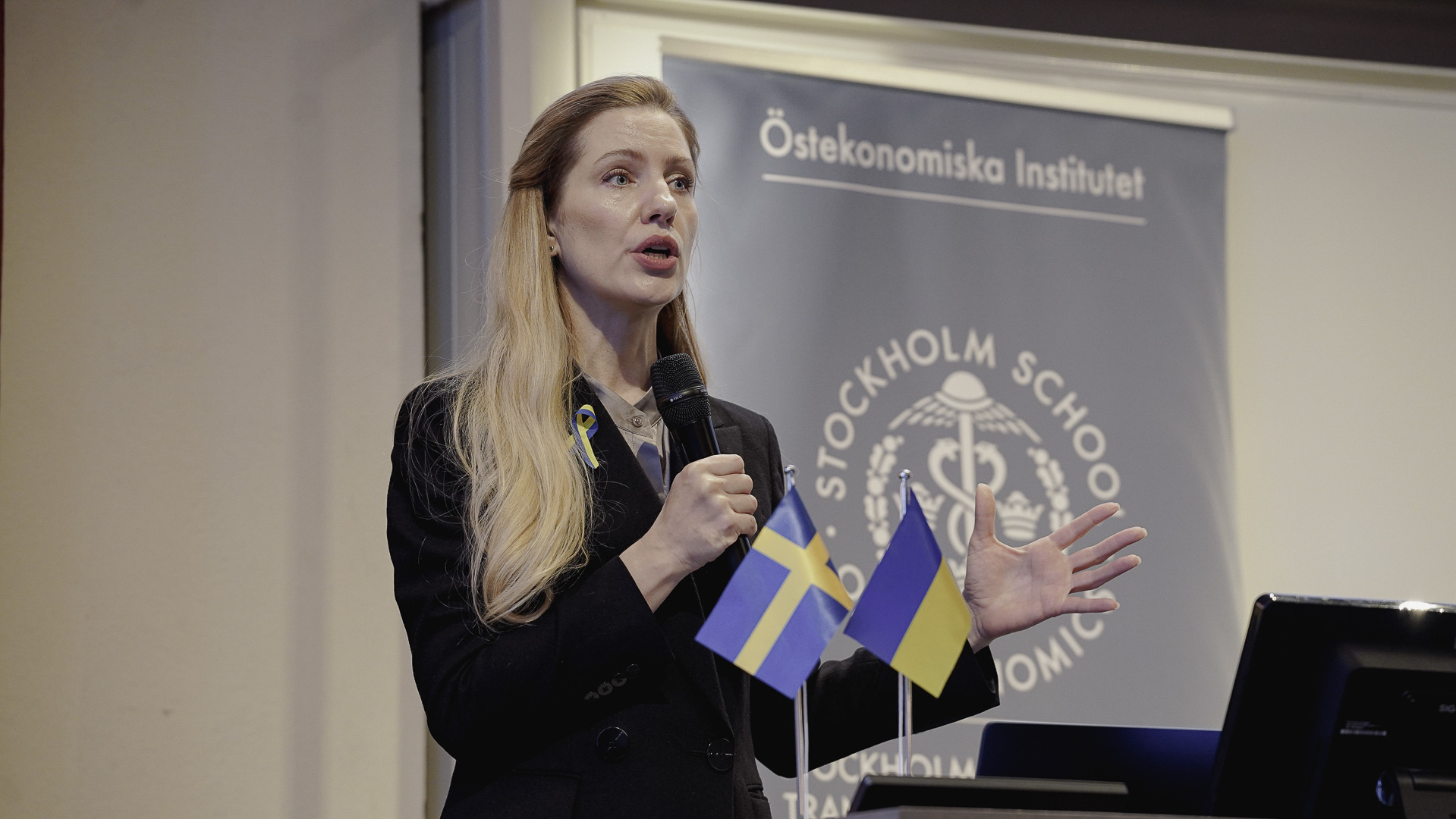
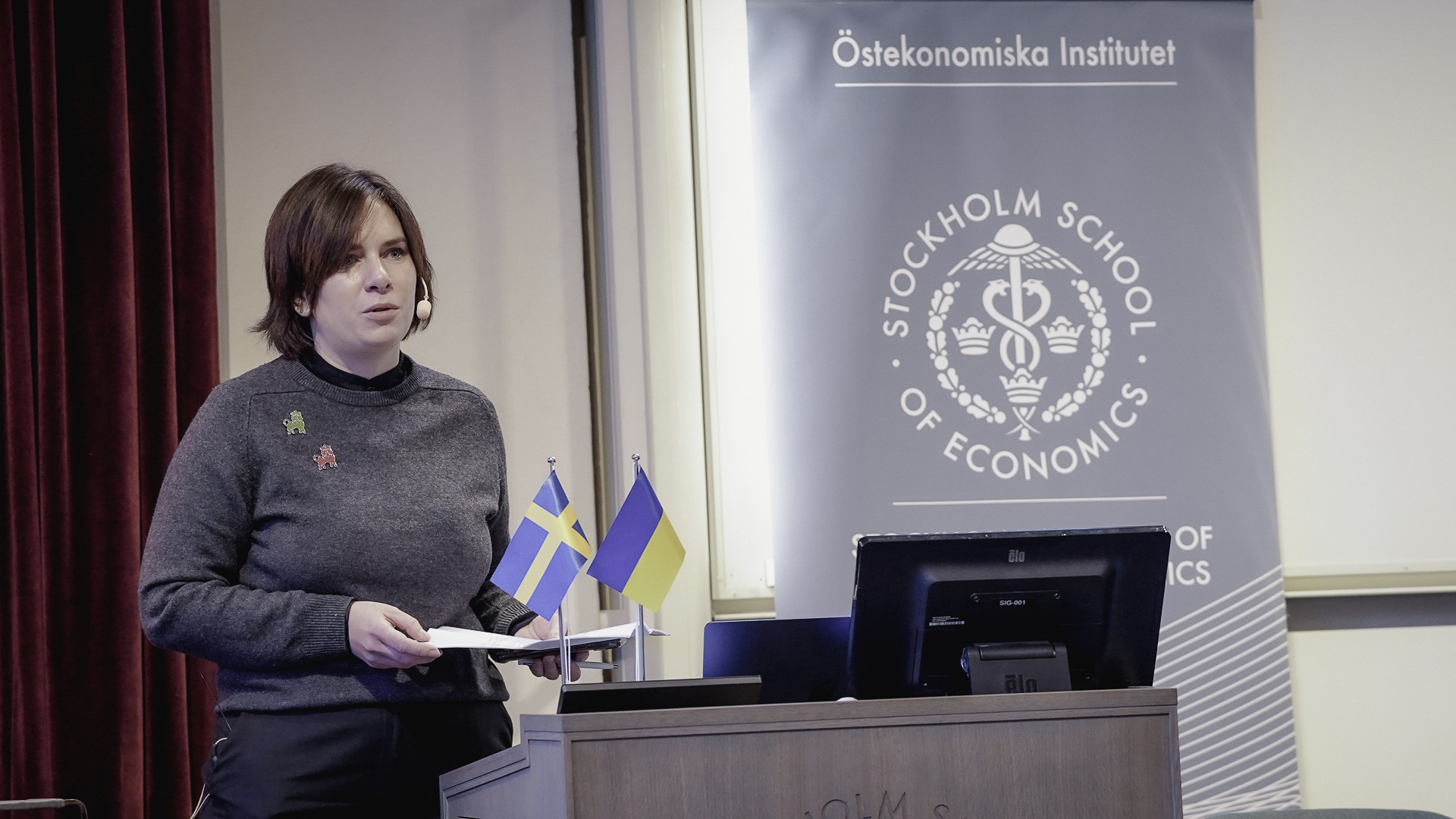
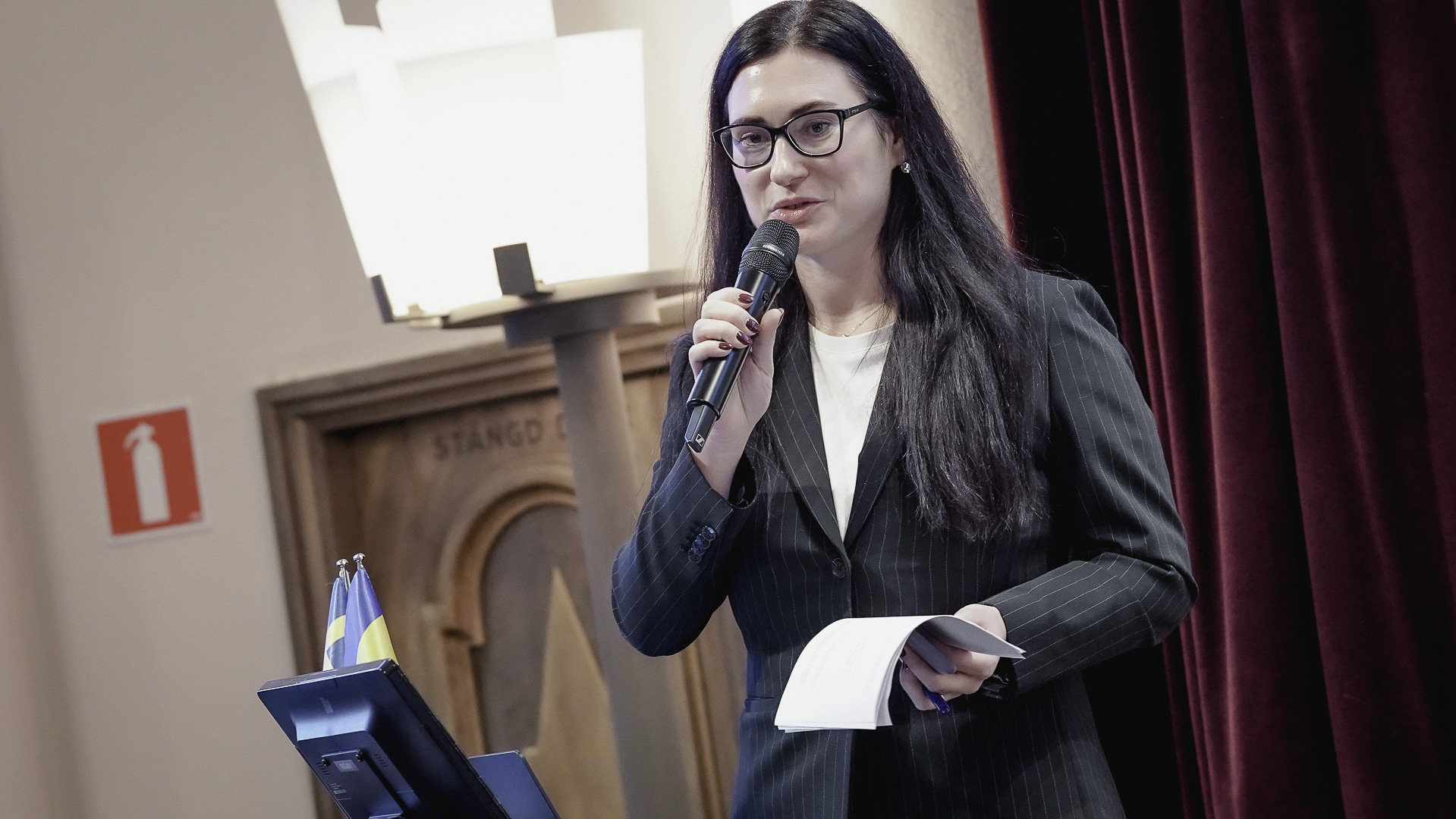
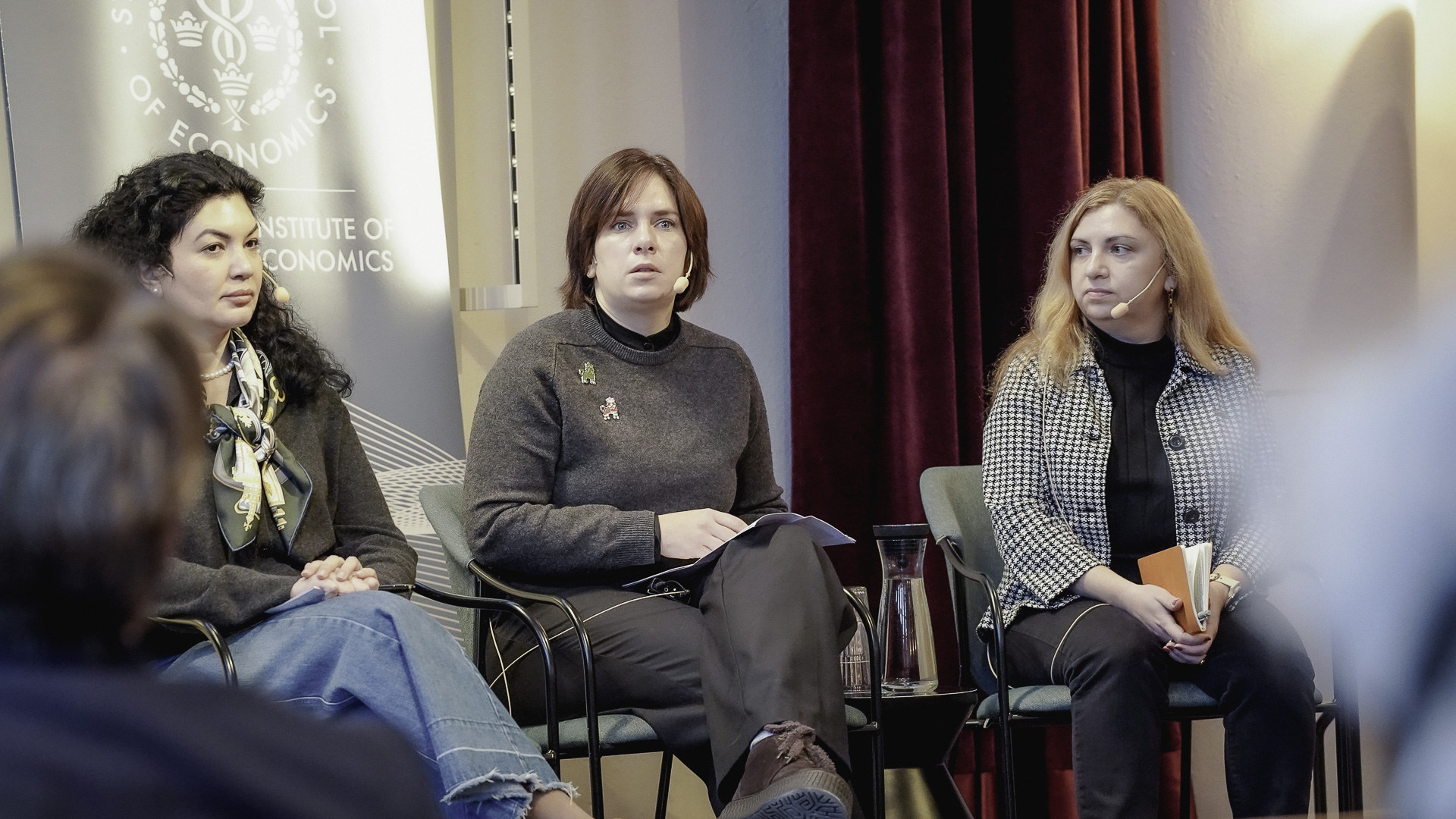
Olha Kuryshko, the Permanent Representative of the President of Ukraine in the Autonomous Republic of Crimea:
“Crimea under the Russian occupation represents the ongoing spread of aggression, insecurity, and violations of international law. It embodies Russia’s military and hybrid operations, the destruction of the peninsula’s ecosystem, and the worsening of the global food crisis. All of this undermines security across Europe.
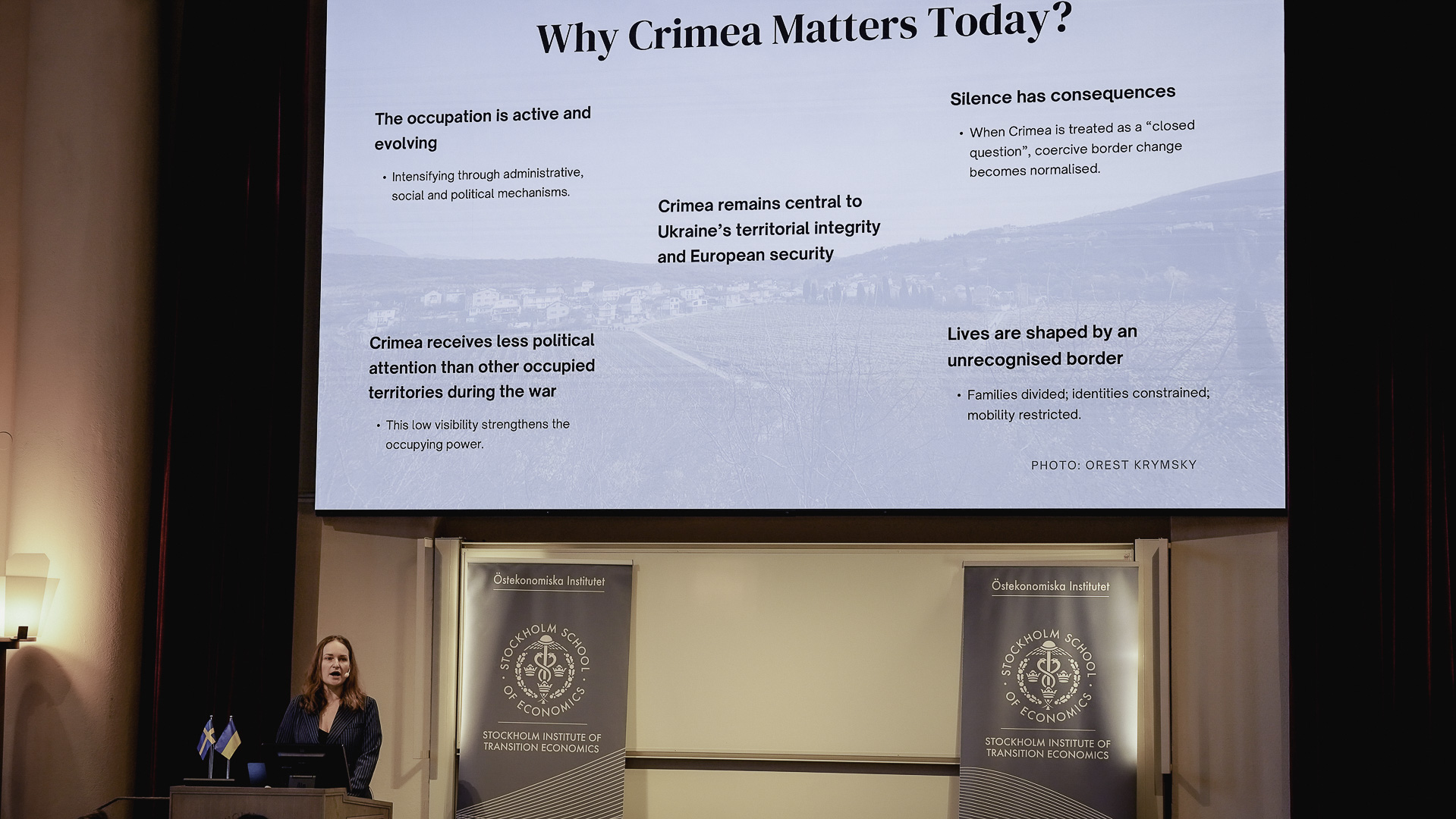
It is a misconception to believe that any “compromise regarding the occupied territories, including Crimea” would put an end to aggression. Russia has controlled Crimea for more than 11 years and has transformed it into a military base — the one from which the full-scale invasion of Ukraine began.
The territorial integrity of Ukraine is not only a matter of borders. It is also a matter of protecting the rights of Ukraine’s Indigenous peoples—the Crimean Tatars, Karaites, and Krymchaks—who have historically lived in Crimea and are under pressure from the occupiers.
For more than eleven years, Crimea has been under Russian control. During this time, the occupier has transformed the Ukrainian peninsula into a hub for the unlawful transfer and militarization of children. With each passing year of occupation, pressure on individuals with a pro-Ukrainian position has intensified, and the cultural heritage of Indigenous peoples has been systematically eroded.
Several words about the Mission of the President of Ukraine in the Autonomous Republic of Crimea and what we do. The Mission was established to support the President’s powers in the Autonomous Republic of Crimea. After Russia’s occupation of Crimea in 2014, it relocated to Kherson, and in 2019 opened an additional office in Kyiv to strengthen coordination with central authorities. The Mission maintains ties with Ukrainian citizens in the occupied territories, monitors human rights, analyzes socio-economic and political processes, and submits analytical reports to the President.
In 2021, the Office of the Crimea Platform was created within the Mission. Following Russia’s full-scale invasion in February 2022, work in Kherson was suspended. The Mission now operates from Kyiv, focusing on monitoring the situation in occupied Crimea, supporting citizens.
The Mission together with governmental and non-governmental partners, the Mejlis of the Crimean Tatar people have developed several strategic documents – Strategy of the economic restoration of Crimea, Strategy of the first steps of the state after the deoccupation. Reintegration means multiple things like restoration of Ukrainian authorities in Crimea, accountability and lustration, economic restoration and transformation, property rights, etc. And we already have our vision on all those issues. We have developed the Strategy for the cognitive deoccupation of Crimea, which is aimed at cognitive demining and overcoming the consequences of the Russian colonialism, as well as reintegration of the Crimea residents to the Ukrainian social, political and cultural spaces.
Despite the risk of detention, Ukrainian citizens in occupied Crimea continue to resist the Russian occupation. Resistance movements remain active, and people express their opposition through various forms of civic action.
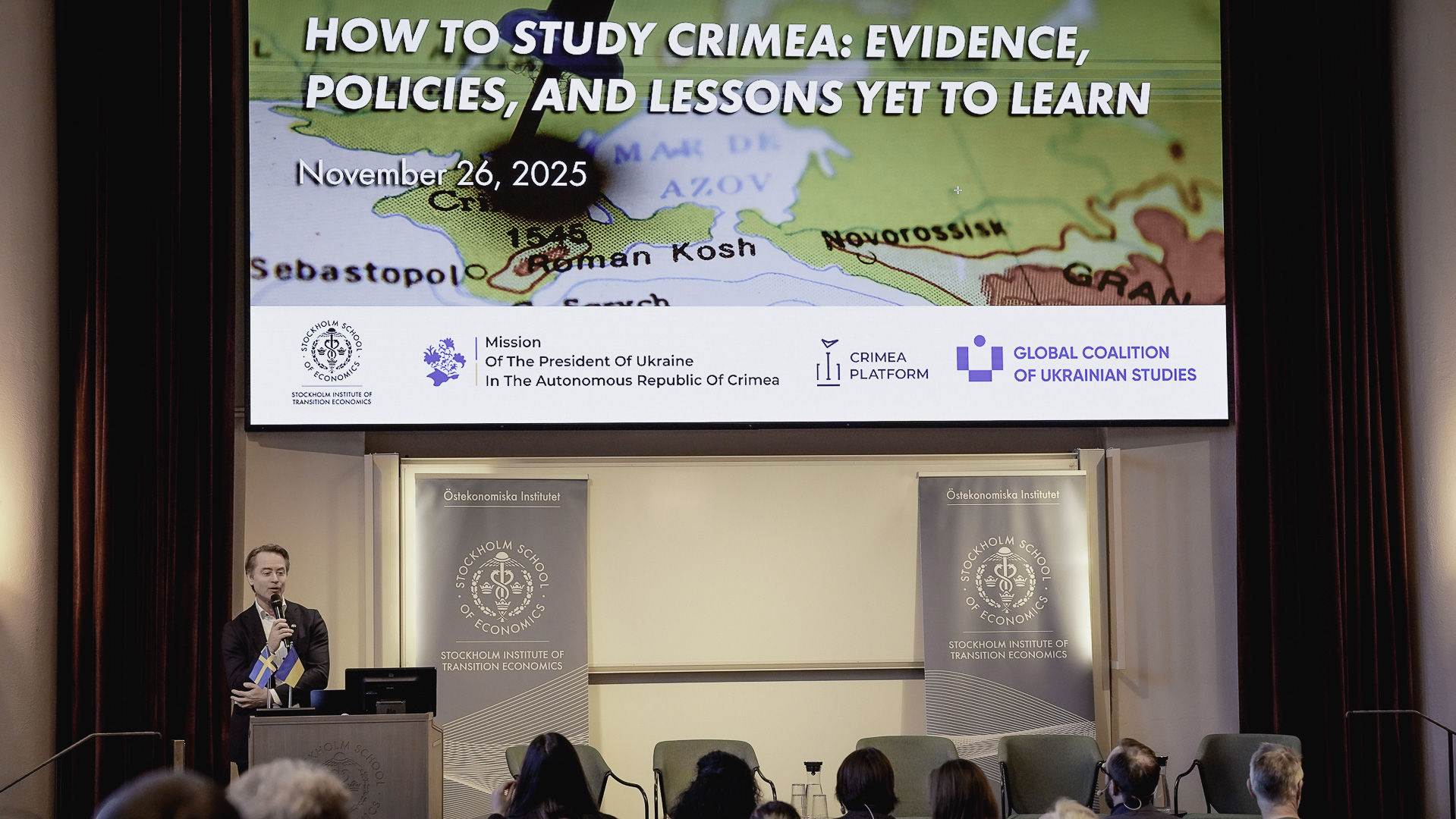
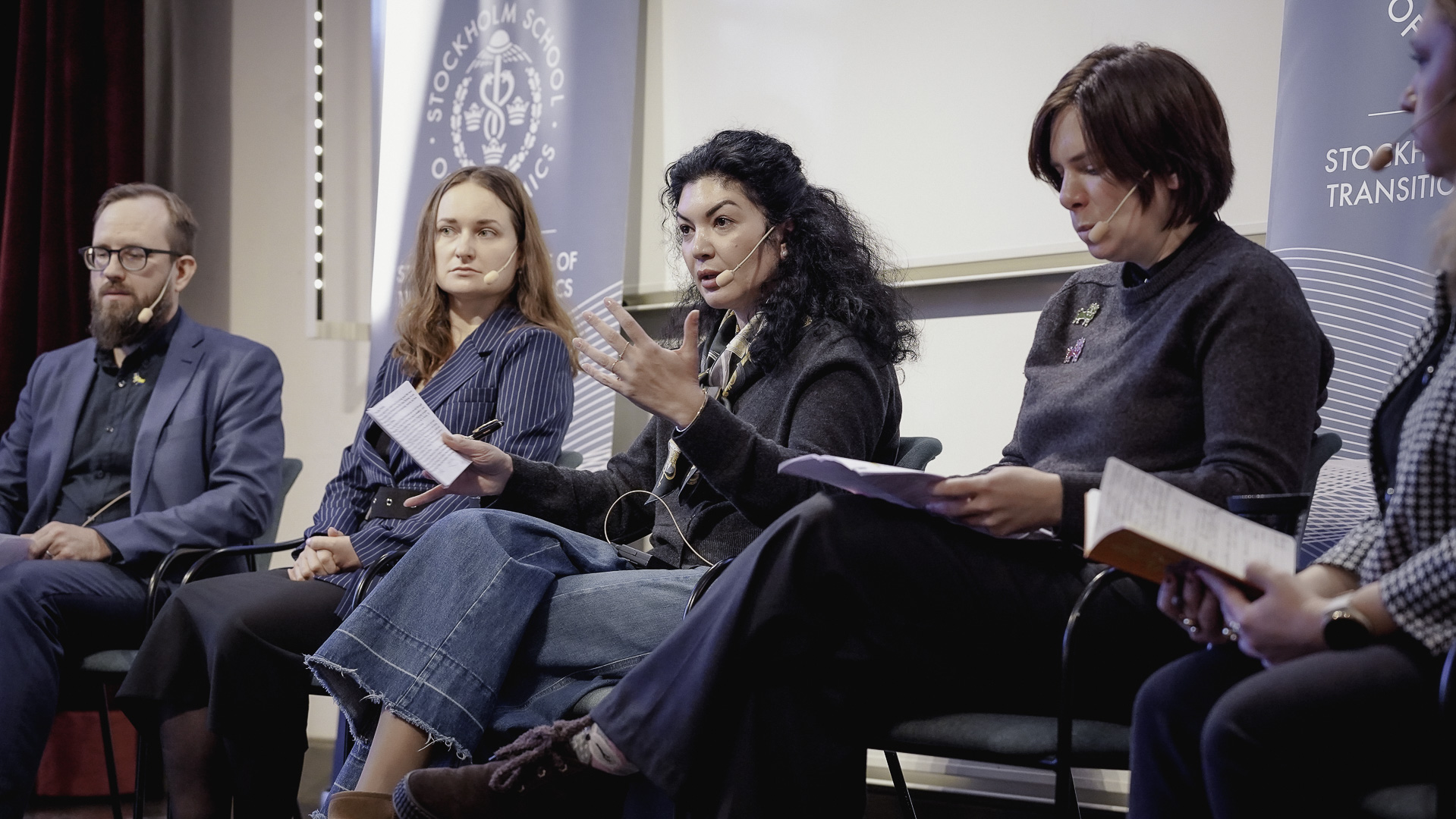
I would like to thank the Stockholm Institute of Transition Economics at the Stockholm School of Economics for hosting this event. It is very important for us to hold such events with the academic community in order to debunk Russian narratives about Crimea and to promote knowledge about the Indigenous peoples of Ukraine”.
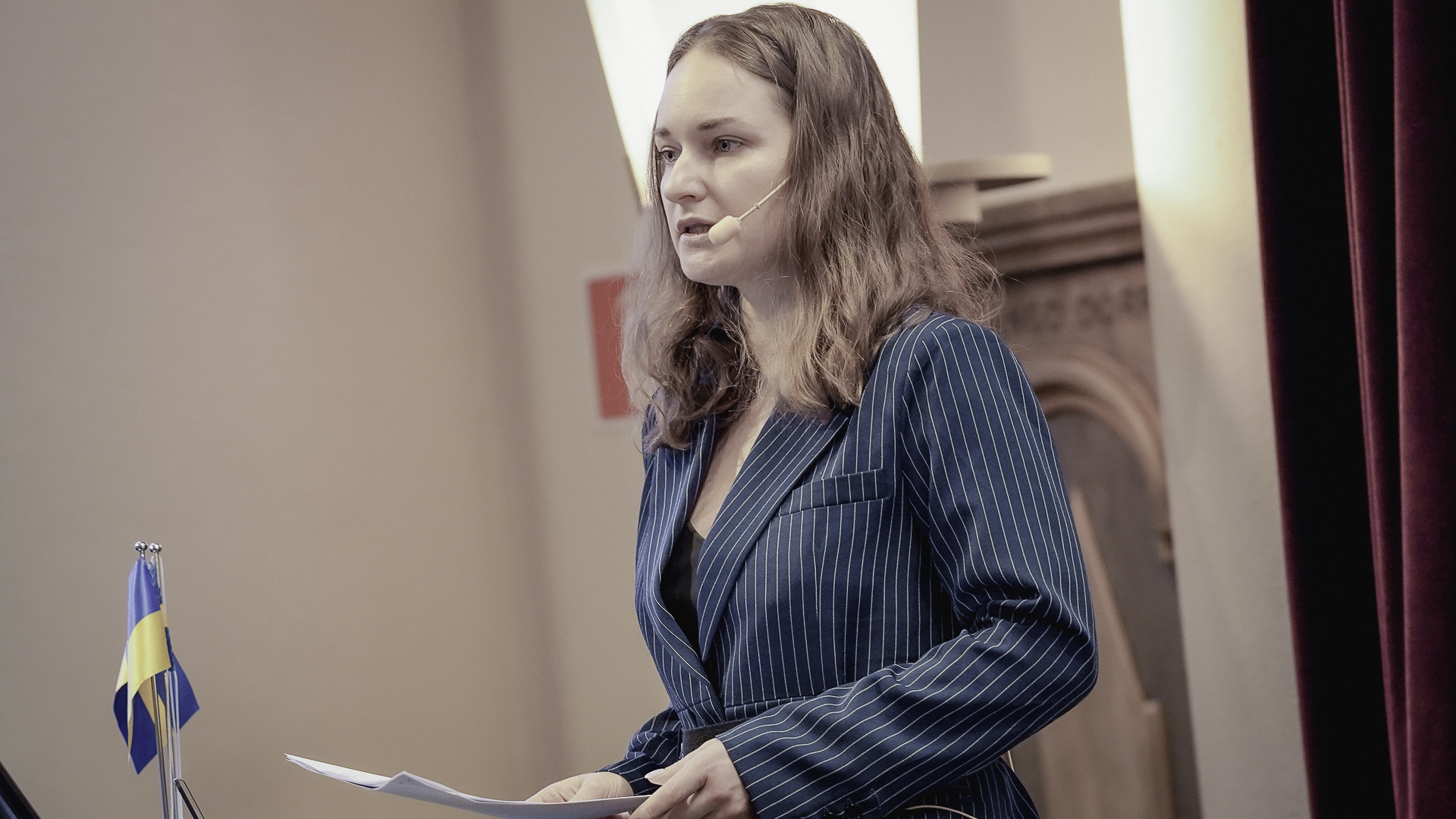
Tamila Tasheva, Member of Parliament of Ukraine:
“It is important to highlight the significance of countering Russian propaganda about Crimea, which is, in fact, one of the key objectives of the Global Coalition for Ukrainian Studies. The development of Crimean Tatar studies within this initiative is crucial for promoting knowledge about the culture, history, and language of the Indigenous people of Ukraine — the Crimean Tatars.”
“Attention must also be drawn to the resistance in the temporarily occupied territories, particularly the resistance of women. Russia is normalizing violence, and nearly every second person persecuted in occupied Crimea for their pro-Ukrainian position is a woman. To draw attention to women’s resistance to the occupation of Crimea, the Crimea Platform Office hosted the opening of the exhibition ‘Lomykamin’ last year”.
“It is also worth emphasizing the importance of the 2021 adoption by the Verkhovna Rada of the Law ‘On the Indigenous Peoples of Ukraine’.”
“The Strategy for the De-occupation and Reintegration of the Temporarily Occupied Territory of the Autonomous Republic of Crimea and the City of Sevastopol, approved by the President of Ukraine in 2021, also requires special attention.”
“The liberation of Crimea is a matter of global security, as the occupation practices Russia uses in Crimea pose a threat to the entire world. Moreover, Crimea is not only a territory but also people, stories, lives, dreams, and a future. We must fight for these people and for their right to live freely on their own land.”