Turning research into action in times of crisis and war: Partner portrait of the Swedish Civil Defence and Resilience Agency (MCF)

As Sweden faces its most serious security situation in decades, building a resilient society has become a national priority. The Swedish Civil Defence and Resilience Agency (Myndigheten för civilt försvar, MCF) plays a central role in leading and coordinating Sweden's civil defence across government, business, and society. To support this mission, the agency has turned to the Stockholm School of Economics and the Center for Security and Resilience (CfSR).
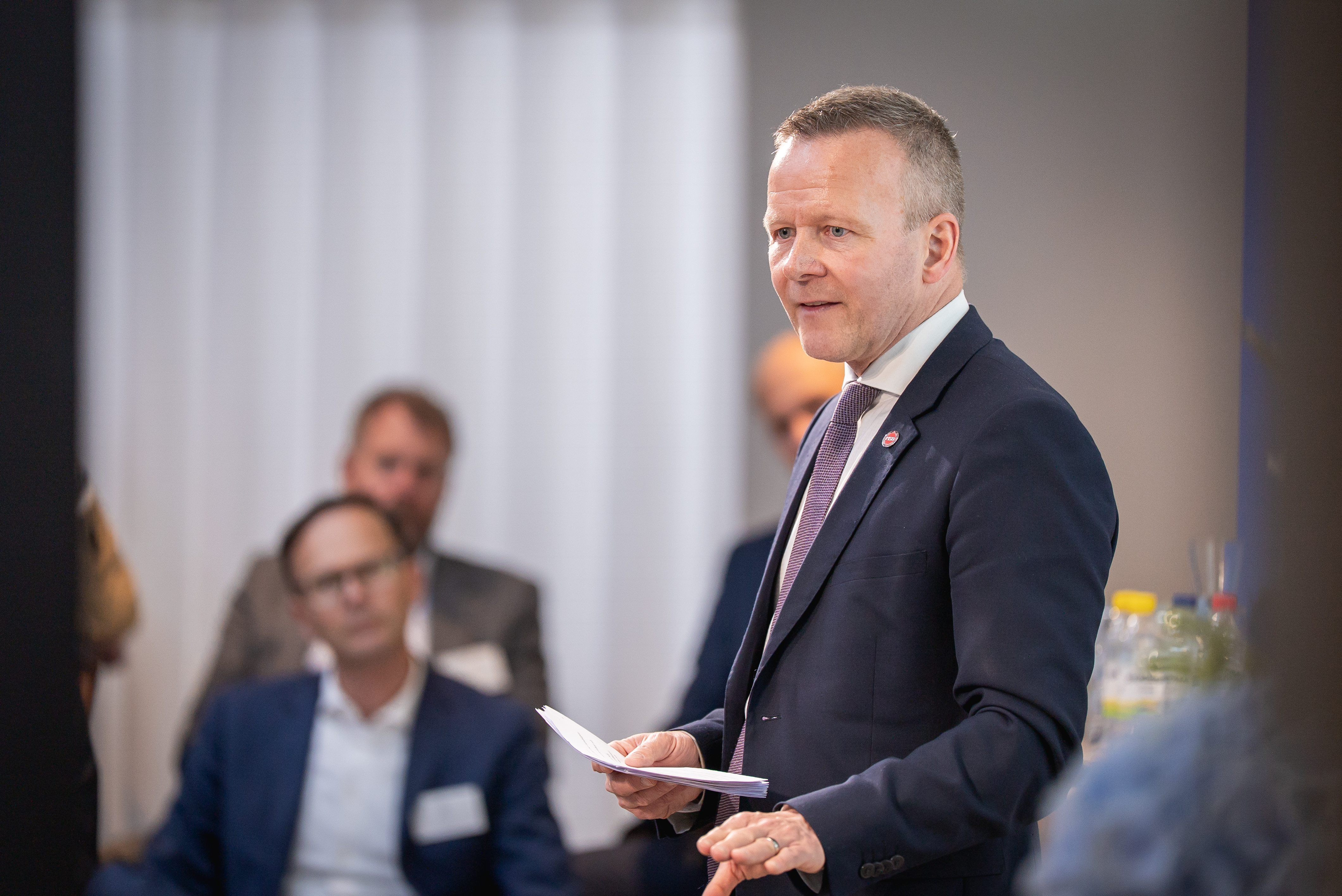
Together with military defence, civil defence makes up total defence. Civil defence spans the whole of society, including resilient supply chains, markets, digital systems, governance, and collaboration between public and private actors. This is where MCF sees the value of working closely with academia, and why the Stockholm School of Economics has become a strategic partner.
New partnerships in a changing geopolitical landscape
Due to heightened geopolitical uncertainty globally and in Sweden's immediate surroundings, the country is undertaking the largest reinforcement of its total defence since the Cold War.
To meet this challenge, MCF has fundamentally reoriented how research and innovation are funded and used. Rather than relying primarily on broad, open calls, the agency is increasingly working through strategic partnerships with selected research environments. The aim is clear: faster learning, closer collaboration, and research that delivers tangible capability effects - in essence, greater impact from the approximately SEK 100 million invested annually in research and innovation.
In this context, the Stockholm School of Economics is particularly relevant. MCF highlights SSE's strong research profile, its extensive connections with the business community, and its ability to translate academic insights into practice. This connection is especially important in building civil defence capabilities, where private actors play a decisive role in areas ranging from logistics and finance to critical infrastructure.
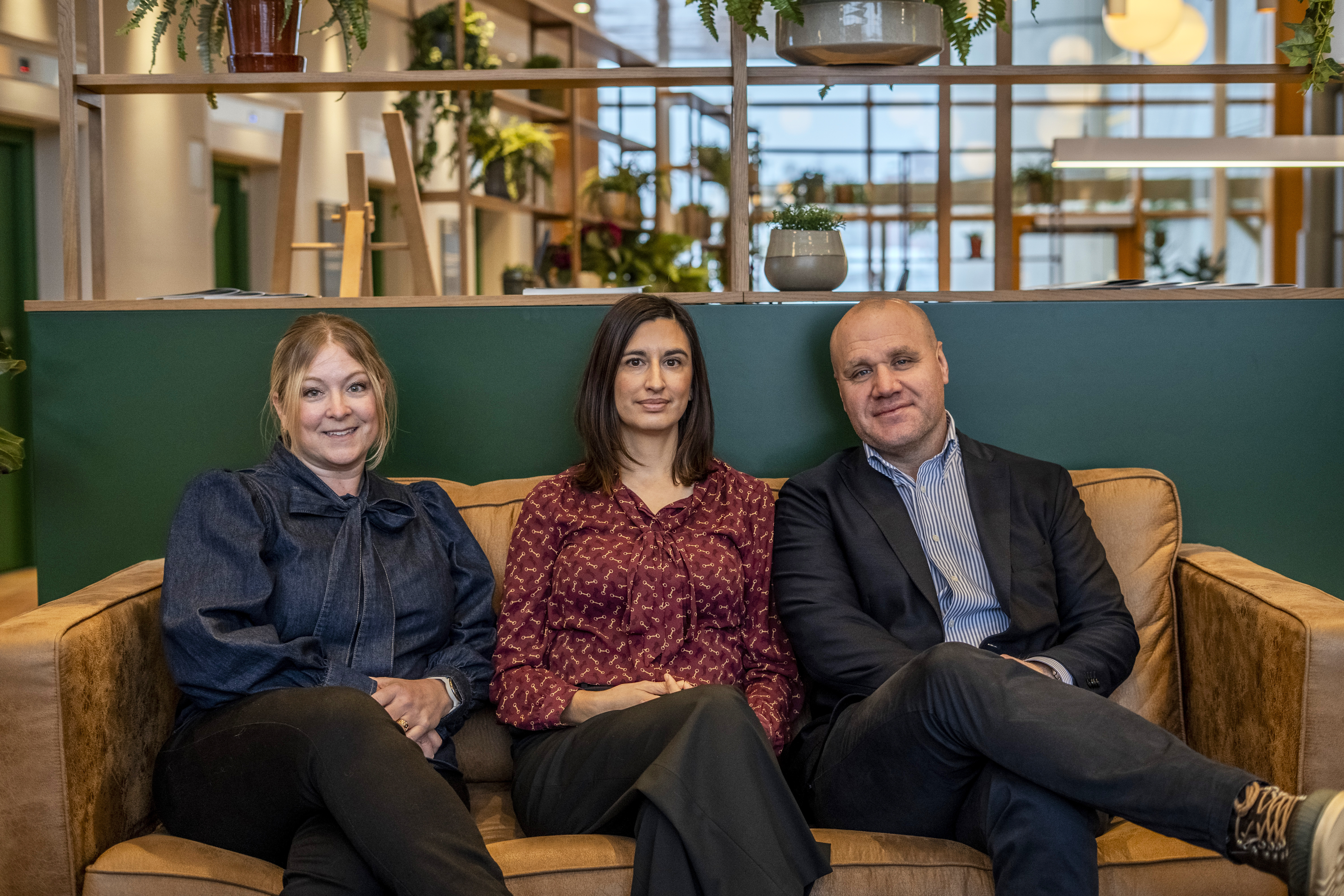
A neutral arena for dialogue and innovation
MCF places great importance on academic freedom and on researchers’ independence to analyze complex challenges without political or sectoral constraints. SSE's role as a neutral arena is therefore increasingly important as a space for knowledge creation, sharing, and constructive dialogue.
Seminars, preparedness dialogues, and cross-sector conversations make it possible to test ideas, challenge assumptions, and explore new approaches - all of which are essential for innovation in a high-stakes area such as civil defence.
“Our role is to connect rigorous research with real-world decision-making. By bringing together civil and military perspectives, as well as public and private actors, we aim to contribute to a stronger and more resilient total defence - while keeping Swedish competitiveness at the center of our work,” says Staffan Holmberg, Executive Director of the Center for Security and Resilience.
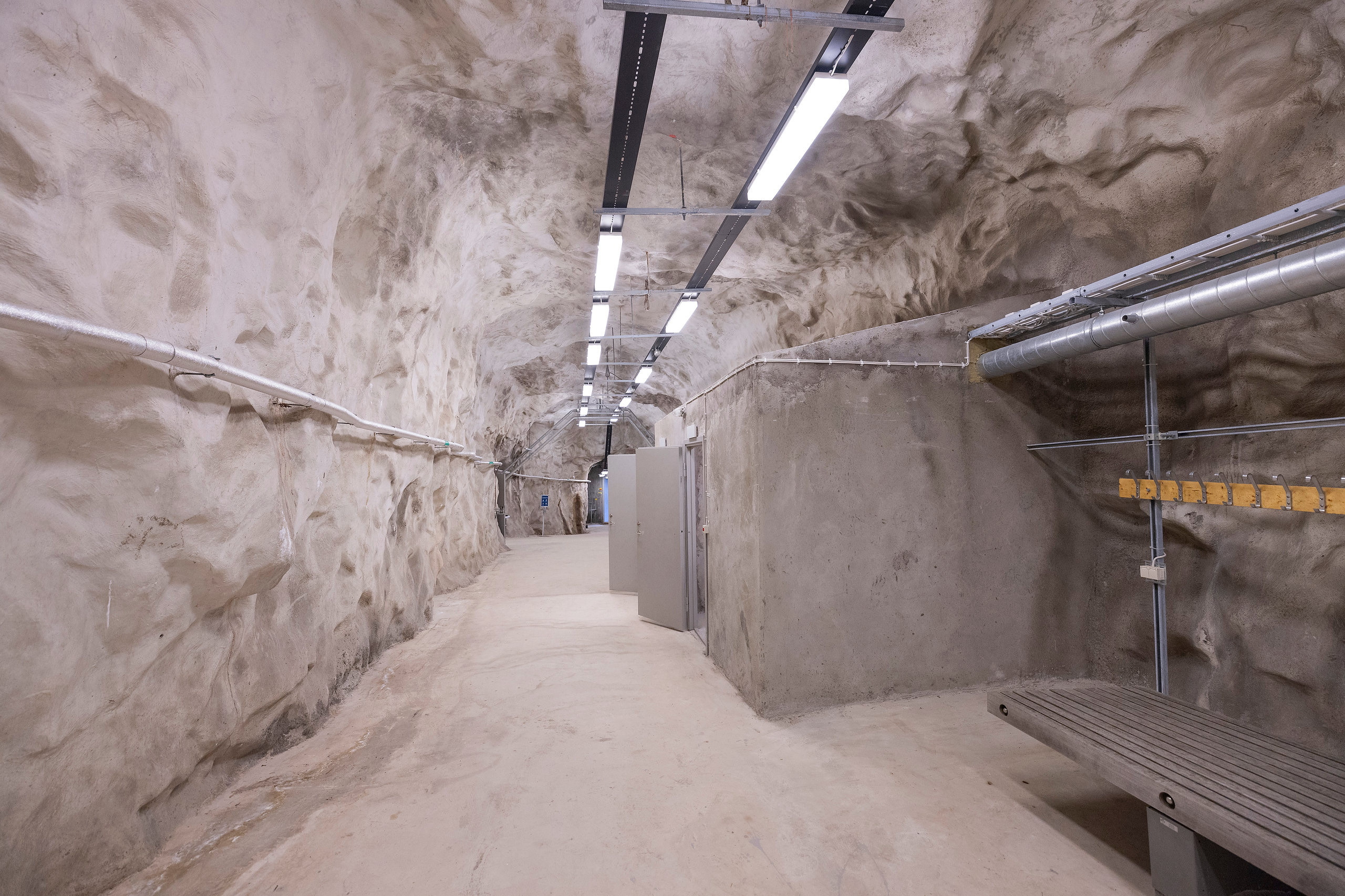
Photo: MCF
From research to real-world capability
In the coming years, MCF expects the partnership with the Center for Security and Resilience to deliver concrete results. Rapid access to researchers’ expertise is expected to inform work on supply preparedness, governance, coordination, secure communications, and crisis management.
Initiatives such as the SSE Society Lab, where solutions are tested in real-world settings such as municipalities of different sizes, are seen as particularly promising. By identifying best practices that can be scaled and shared, this approach enables practical impact beyond traditional research outputs.
MCF also sees the partnership as a way to strengthen its international research and innovation collaborations, including within NATO frameworks and through cooperation with partners such as the United States and Canada.
Rapid growth and a strong sense of purpose
MCF is undergoing rapid expansion and therefore offers significant opportunities for students seeking a career with a meaningful mission at the heart of national security and societal resilience.
The agency is seeking a broad range of competencies - from project management, analysis, and communication to IT, digitalization, security protection, and technical expertise. Social scientists also play an important role, particularly in understanding governance, coordination, and collaboration across sectors.
Opportunities for SSE students
Through the partnership with SSE, MCF actively welcomes students to contribute already during their studies. Master’s theses on topics such as supply preparedness, particularly the role of business, are highly encouraged, and internship opportunities exist across several parts of the organization.
Students can expect to be involved in substantive work, gaining insight into how policy, research, and practice intersect. For graduates, MCF offers a wide range of career paths for those interested in security, resilience, and complex societal challenges.
As MCF emphasizes, civil defence is not only about security professionals. It also encompasses energy, finance, logistics, food supply, digital infrastructure, and trade - areas where SSE students already have strong foundations.
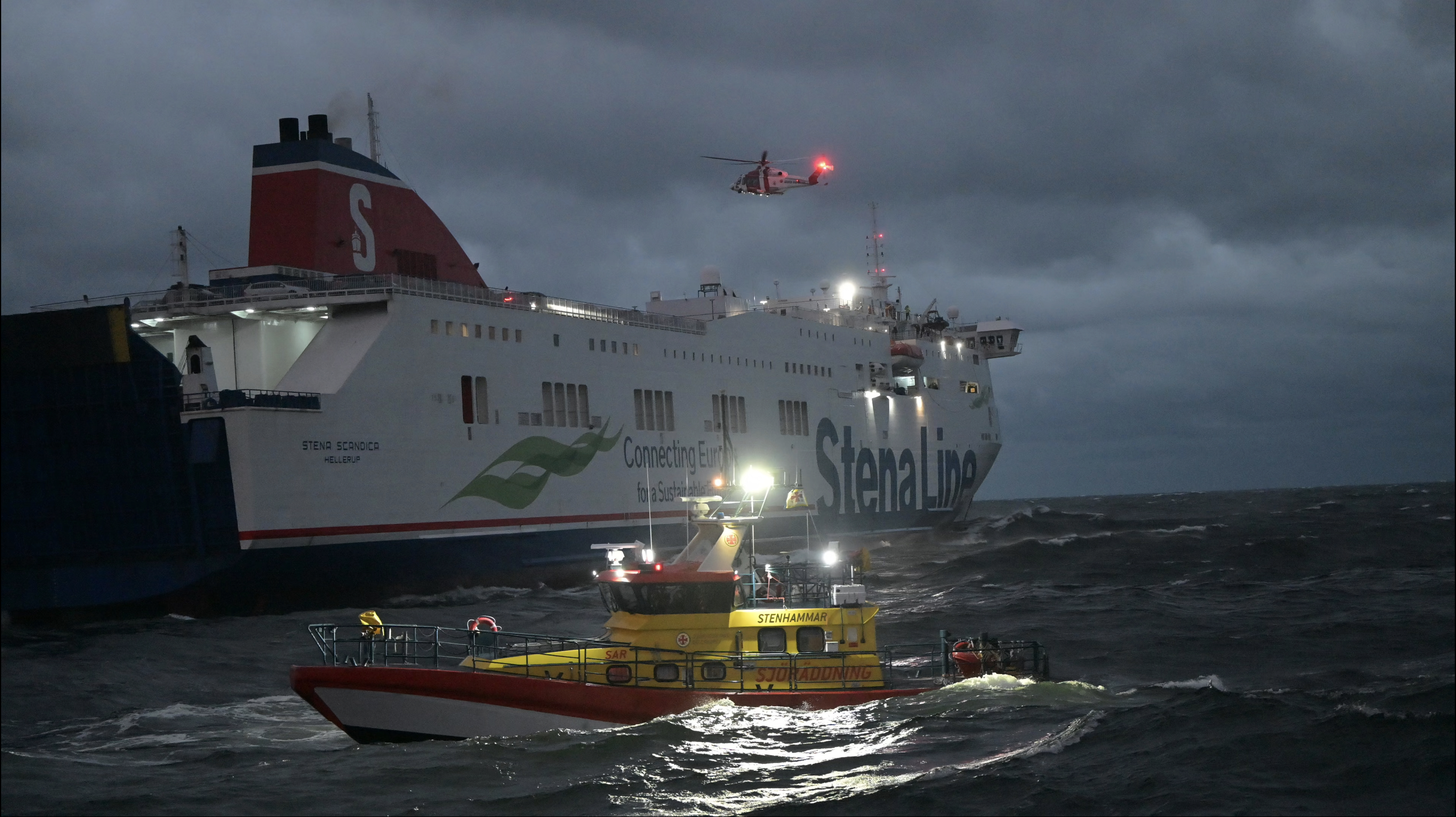
Photo: MCF
Building resilience together
A resilient society cannot be built in isolation. It requires collaboration across government, academia, business, and civil society - in times of peace, crisis, and heightened alert.
Through its partnership with the Center for Security and Resilience at the Stockholm School of Economics, the Swedish Civil Defence and Resilience Agency aims to strengthen that collaboration, turn knowledge into action, and contribute to a stronger and more resilient Sweden.